Surf Camp Sun Safety: How to Manage Sunburn Risks at Surfing Camps
How to manage sunburn risks at surfing camps. The expansion of surf tourism has exposed a significant gap between athletic preparation and environmental health management. While surfers often dedicate considerable resources to selecting boards, analyzing break mechanics, and building physical endurance, they frequently neglect the systemic physiological threat of solar radiation. The marine environment creates a challenging setting for skin protection, where standard sun-safety strategies often fail due to unique environmental interactions.
In a surf camp setting, managing solar radiation requires looking beyond basic product applications to understand complex environmental physics. Ocean surfaces act as a powerful reflective mirror, intensifying ultraviolet (UV) exposure through multi-directional scattering. This reflection, combined with water immersion, wind exposure, and constant physical friction from paddling, accelerates the breakdown of standard protective skin barriers.
When individuals spend hours in high-UV environments, protecting them requires a structured approach that balances field operations with preventative care. Camp operators and participants must view sun safety as a primary risk-management priority rather than a matter of personal comfort. This article provides an in-depth analysis of the physiological, physical, and operational strategies needed to successfully mitigate solar radiation risks during extended surf travel.
Understanding “how to manage sunburn risks at surfing camps”
The Complexity of Multi-Directional Marine Exposure
Successfully executing a plan on how to manage sunburn risks at surfing camps requires a detailed understanding of how solar radiation interacts with the marine environment. A common mistake is treating sun safety as a simple choice of sunscreens or protective clothing. In reality, a functional sun-safety plan is an active, multi-layered risk management framework. This framework must account for ambient UV levels, water-induced product wash-off, physical gear friction, and the physiological vulnerability of participants during long water sessions.
Moving Beyond Basic Topical Product Reliance
Oversimplifying these protocols often leads to operational failures, where relying on a single protective measure masks systemic vulnerabilities. For instance, a surfer might apply high-SPF sunscreen but fail to account for how constant duck-diving washes away the product. Similarly, a camp might schedule long mid-day sessions when solar radiation peaks, overwhelming basic topical skin barriers. True mastery of how to manage sunburn risks at surfing camps requires integrating environmental scheduling, physical barrier gear, and targeted topical products into a unified daily routine.
Addressing the Realities of Remote Field Operations
Furthermore, these strategies must adapt to the unique operational challenges of remote coastal destinations. Factors like heavy wind exposure, fluctuating humidity, and limited medical access complicate how skin protection is managed in the field. When planning models fail to recognize these environmental realities, they leave participants vulnerable to severe solar injuries that can disrupt training and stress local healthcare resources. A rigorous approach treats sun safety as a dynamic engineering challenge rather than a simple personal preference.
Historical and Contextual Evolution of Photoprotection in Surf Culture
The Era of Unregulated Exposure and Aesthetic Bias
Early international surf travel was shaped by an outdoor lifestyle that largely dismissed the long-term dangers of solar radiation. During the mid-twentieth century, a deep tan was widely viewed as a sign of health, fitness, and athletic prestige. Early surfers spent long hours in the water with minimal skin protection, often relying on basic oils that accelerated rather than blocked UV absorption. This cultural acceptance of heavy sun exposure obscured the early signs of skin damage, establishing a legacy of neglected skin health within the sport.
The Introduction of Chemical Blockers and Initial Guidelines
As medical understanding of skin cancer and UV damage advanced in the 1980s, the surf industry introduced basic water-resistant chemical sunscreens. These initial products provided limited, short-duration protection and frequently washed off during long sessions. Early guidelines focused almost entirely on product application before entering the water, ignoring how water reflection and physical friction degrade topical barriers. Despite these limitations, this period marked a critical shift as surfers began recognizing solar radiation as an environmental hazard that required active management.
Modern Technical Material Standards and Operational Integration
Today, managing sun safety has evolved into an engineering-driven discipline that combines advanced materials with structural camp planning. Modern surf camps use high-UPF (Ultraviolet Protection Factor) textiles, specialized zinc-based physical blocks, and UV-indexed session scheduling to protect participants. Sun safety is no longer treated as an individual responsibility. Instead, it is integrated directly into camp logistics, wave analysis, and risk-management protocols to ensure long-term health and safety in the field.
Biophysical Frameworks and Environmental Radiation Dynamics
The Multi-Directional Albedo Scattering Model
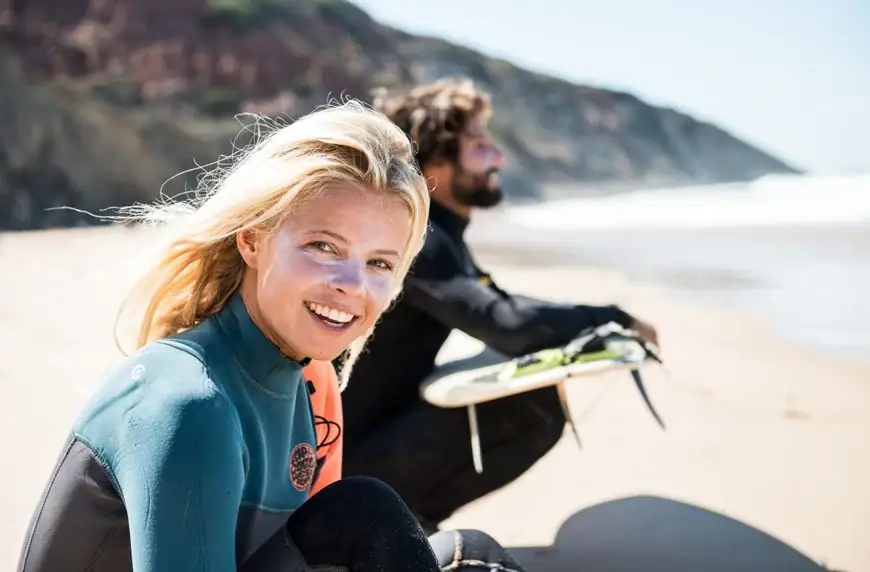
The Albedo Scattering model explains how solar radiation amplifies across marine environments through multi-directional reflection. While land-based athletes primarily receive direct downward solar radiation, surfers are exposed to secondary radiation reflected off the water surface and coastal sand. This open-water reflection can increase total UV exposure by up to 20 percent compared to inland environments. This amplification requires protective strategies that shield the skin from both upward and angled radiation, protecting areas like the chin, neck, and lower eyelids.
The Aquatic Barrier Degradation Curve
This framework tracks how water immersion, saltwater chemistry, and physical friction combine to break down protective topical barriers over time. Standard water-resistant sunscreens lose their protective integrity within 40 to 80 minutes of continuous paddling and duck-diving. The breakdown curve accelerates when surfers wipe water from their faces, physically removing the protective layer. Understanding this curve helps camps establish precise time limits for water sessions, ensuring participants exit the water and reapply protection before their skin barriers fail.
The Fitzpatrick Skin Phototype Vulnerability Matrix
This biological framework classifies human skin types by their baseline tolerance to UV radiation and their natural burning or tanning tendencies. The matrix ranges from Type I skin, which burns easily and rarely tans, to Type VI skin, which possesses high natural melanin protection. While individuals with lower phototypes require strict, multi-layered physical barriers, higher phototypes still suffer deep cellular UV damage without visible burning. Sustainable camp operations use this matrix to customize protection plans for each participant, avoiding a one-size-fits-all approach to sun safety.
Classification of Photoprotective Systems and Barrier Methods
Non-Nano Zinc Oxide Mineral Blocks
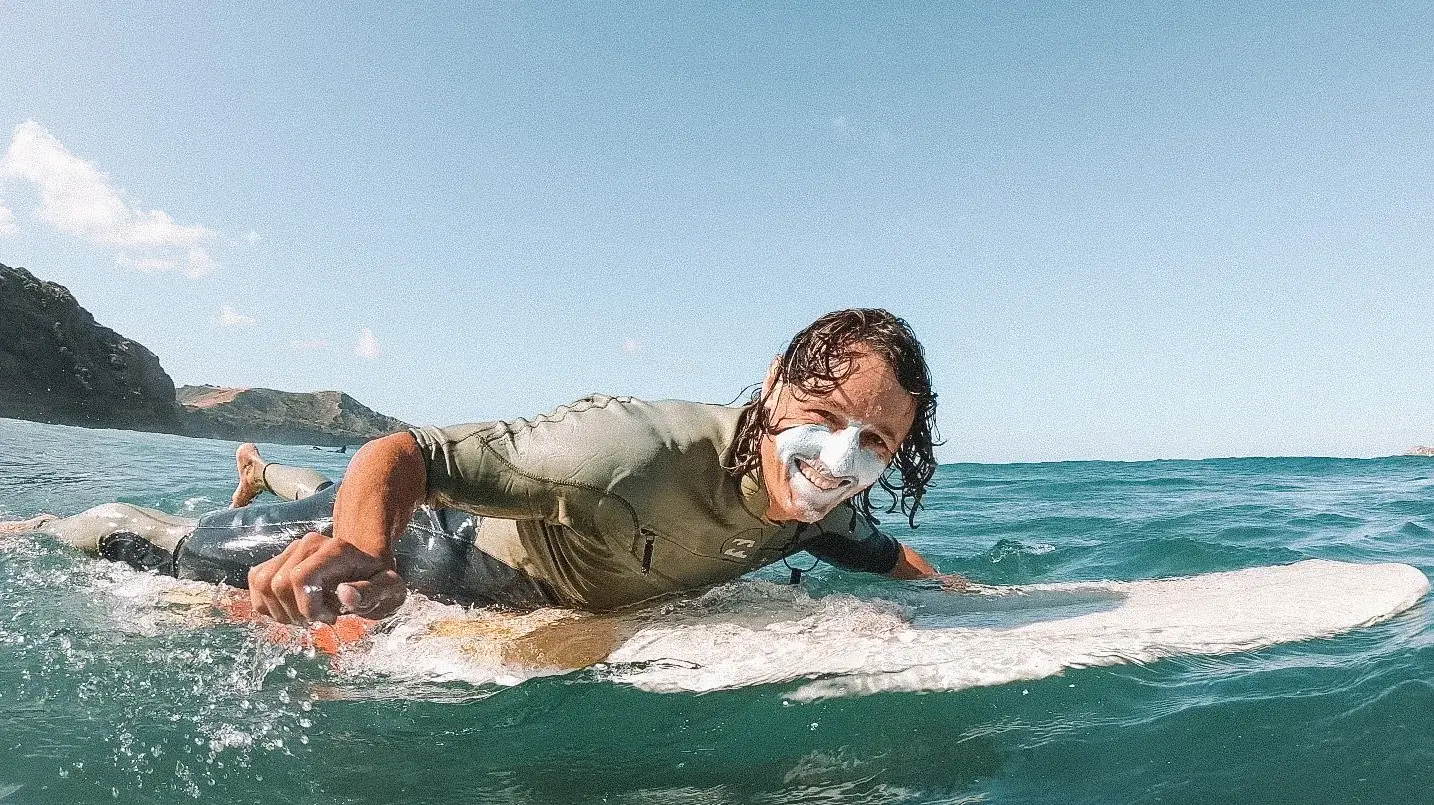
These heavy physical blocks sit on top of the skin surface to reflect and scatter both UVA and UVB rays away from the body. They are typically formulated as thick pastes that resist water wash-off and do not sting the eyes during active paddling.
-
Trade-offs: They provide excellent, long-lasting physical protection and cause minimal skin irritation, but require effort to apply evenly and leave a visible white residue that some participants find unappealing.
High-UPF Synthetic Technical Textiles
Protective garments woven from specialized polyester or nylon blends designed to block more than 98 percent of solar radiation. These include long-sleeve rash guards, surf leggings, and wide-brimmed water hats with secure chin straps.
-
Trade-offs: They provide reliable, continuous protection that cannot wash away in the water, but can cause skin chafing during long sessions and add weight when wet.
Chemical UV Absorbing Formulations
Topical lotions containing organic compounds like avobenzone or octocrylene that absorb UV radiation and convert it into low-level heat. These products are easy to spread and blend invisibly into the skin.
-
Trade-offs: They offer comfortable, lightweight wear and are easy to apply over large areas, but break down quickly under direct sunlight and can cause skin irritation or eye stinging when mixed with sweat and saltwater.
Structural Shade Assets and Canopy Systems
Physical structures built on the beach or boat decks, such as heavy canvas tension tents, thatched palapas, or adjustable umbrellas, designed to provide areas of zero direct solar exposure.
-
Trade-offs: They create comfortable, cool recovery zones that reduce heat exhaustion, but require regular maintenance to survive strong coastal winds and do not protect against ambient water reflection.
Comprehensive Photoprotective Matrix
Strategic Selection Logic
Selecting the right combination of protective measures requires matching local environmental conditions with the physical activity level of the session. For long morning sessions on open reefs, operators should combine high-UPF long-sleeve shirts with thick mineral zinc paste on exposed facial areas.
This combination ensures that high-friction zones stay shielded by durable fabric, while exposed skin remains protected by water-resistant minerals. Relying on lightweight chemical lotions should be restricted to brief, low-intensity shore breaks where reapplication is easy.
Granular Field Scenarios, Asset Operations, and Vulnerabilities
Scenario A: Equatorial Atoll Surf Charters
A boat-based surf camp operating in an equatorial atoll faces constant, high-intensity UV exposure with zero natural land shade. Guests spend up to six hours a day on the water, accessing breaks via small support boats.
-
Decision Points: Operations must decide whether to split water sessions into early morning and late afternoon windows, build temporary shade awnings on support boats, or enforce mandatory rash guard rules.
-
Failure Modes: Allowing unmonitored mid-day sessions leads to severe blistering burns on guests’ backs and shoulders, overwhelming the boat’s basic medical kits.
-
Second-Order Effects: Severe sunburns cause dehydration and heat exhaustion among guests, forcing the charter to alter travel routes to seek medical support on distant islands.
Scenario B: High-Latitude Cold-Water Surf Clinics
A surf school operating along a cold, windy northern coastline experiences high UV indexes despite low air temperatures. Participants wear full 4mm thick neoprene wetsuits that cover most of their bodies, leaving only their faces and hands exposed.
-
Decision Points: Instructors must decide whether to mandate face protection despite the cold weather, shorten wind-exposed land briefings, or provide insulated wind shelters on the beach.
-
Failure Modes: Assuming low temperatures mean low UV risks leads to severe facial burns, as cold winds mask the burning sensation until skin damage has occurred.
-
Second-Order Effects: Wind-chapped skin combined with solar burns breaks down skin barriers quickly, leaving participants vulnerable to local skin infections.
Scenario C: Multi-Week Youth Development Camps
A residential youth summer surf camp manages large groups of teenage participants with varying levels of sun-safety awareness and different skin types.
-
Decision Points: Camp directors must choose between implementing automated, scheduled alarm systems for group sunscreen application, assigning counselors to monitor specific skin types, or standardizing full-body clothing rules.
-
Failure Modes: Relying on teenage participants to self-monitor their sun protection leads to uneven application, missed areas like the ears and feet, and severe sunburns across the group.
-
Second-Order Effects: Managing multiple sunburned participants strains camp counseling staff, disrupts group activities, and generates negative reviews from concerned parents.
Resource Allocation, Financial Dynamics, and Procurement Planning
Balancing Upfront Equipment Costs with Operational Safety Savings
Implementing strict sun-safety protocols requires a clear shift in how a camp allocates its operational budget. Investing in high-quality sun-safety equipment—such as commercial-grade beach canopies, specialized water hats, and bulk mineral sunscreens—can increase seasonal supply costs by 15 to 25 percent.
However, these upfront expenses reduce long-term operational risks by minimizing sun-related medical emergencies, avoiding cut-short guest stays, and lowering insurance liability risks. Financial planning should treat sun-safety equipment as an essential operational asset that protects the camp’s core business stability.
Internalizing Environmental Risks and Managing Session Logistics
Proper financial management means accounting for environmental risks that traditional surf business models often overlook. This includes budgeting for weather-monitoring software, providing high-quality sun protection products for staff, and managing the financial impact of shifting surf sessions to avoid peak UV hours.
The operational cost of extending camp schedules to include early morning or late afternoon sessions must be factored into the overall pricing model. By accepting these scheduling changes, a camp balances short-term logistical challenges against the long-term safety and satisfaction of its guests.
Target Sun-Safety Operational Budget Projections
Operational Tools, Strategies, and Practical Application Protocols
Automated Real-Time UV Index Monitoring
To keep staff informed of changing environmental conditions, camps should use dedicated, real-time weather tracking tools.
-
Implementation Strategy: Install onsite digital UV sensors paired with regional satellite weather applications to track real-time solar intensity. Display current UV levels on a central notice board using a clear color-coded warning flag system to guide staff and guests.
-
Operational Constraints: Passing clouds or coastal fog can cause sudden, temporary drops in sensor readings, meaning staff must still enforce standard protection schedules regardless of brief dips in intensity.
Two-Stage Topical Barrier Protection
Using a layered application method ensures that skin protection lasts through long water sessions and resists water wash-off.
-
Implementation Strategy: Instruct participants to apply a base layer of lightweight, broad-spectrum lotion 30 minutes before sun exposure to allow full skin absorption. Right before entering the water, apply a thick secondary layer of mineral zinc paste over high-exposure areas like the nose, cheekbones, and ears.
-
Operational Constraints: This dual-layer method can trap sweat and heat in humid climates, requiring regular facial cleansing with gentle soaps between sessions to prevent skin irritation.
Mandatory Environmental Session Scheduling
Scheduling in-water training around peak solar hours removes the reliance on topical products during the most intense sun periods.
-
Implementation Strategy: Schedule primary water sessions to end before 10:30 AM and resume after 3:30 PM, when the sun’s angle is lower and UV intensity drops. Use the peak mid-day hours for indoor video analysis, board shaping workshops, or rest periods in shaded camp areas.
-
Operational Constraints: Changing ocean tides and shifting wind patterns can sometimes create optimal surf conditions during mid-day hours, forcing management to balance wave quality against UV safety risks.
Standardized Full-Body Technical Surf Uniforms
Providing high-coverage protective clothing creates a reliable physical barrier that cannot wash away or wear off during training.
-
Implementation Strategy: Provide all camp participants with long-sleeve, high-neck rash guards and matching surf leggings made from UPF 50+ fabrics. Require these protective garments during all training sessions, making exceptions only for early morning or late evening water activities.
-
Operational Constraints: Tight synthetic clothing can cause skin chafing along the armpits and inner thighs during long paddling sessions, requiring the use of anti-chafing gels on high-friction areas.
Mobile Hydration and Electrolyte Stations
Providing accessible hydration fluids helps counteract the dehydrating effects of long sun exposure and supports skin recovery.
-
Implementation Strategy: Set up mobile water and electrolyte stations on the beach or support boats, using insulated containers to keep fluids cool. Require participants to drink a standard volume of fluids during mandatory water breaks every 45 minutes.
-
Operational Constraints: Managing remote hydration stations requires clean water sourcing and waste management protocols to prevent plastic bottle litter on protected beaches.
Onsite Post-Solar Skin Recovery Protocols
Providing structured post-sun skin care helps soothe early inflammation and speeds up the healing of minor skin irritation.
-
Implementation Strategy: Keep a dedicated stock of chilled, organic aloe vera gels and anti-inflammatory lotions in camp cooling stations. Encourage participants to apply these soothing treatments after evening showers to calm the skin and restore moisture lost to sun and saltwater.
-
Operational Constraints: Topical recovery gels can cause allergic reactions in individuals with sensitive skin, meaning staff must perform brief skin patch tests before allowing widespread use.
Risk Taxonomy and Compounding Systemic Hazards
Immediate Physiological Injuries and Systemic Dehydration
Immediate risks focus on the direct, short-term injuries caused by unprotected solar exposure. These include painful first- or second-degree skin burns, solar blisters, and inflammation of the eyes from water glare.
When these skin injuries are combined with poor hydration, they can quickly progress to heat exhaustion or sunstroke. These conditions cause dizziness, nausea, and disorientation, putting surfers at serious risk while navigating heavy waves.
Operational Disruptions and Logistics Strains
Sunburn injuries create direct operational challenges for surf camp management. When participants suffer severe burns, they are often forced to miss training sessions, leaving pre-booked coaches and equipment underutilized.
Managing multiple injured guests strains camp staff, shifts focus away from standard surf instruction, and increases the risk of negative reviews that can damage the camp’s long-term business reputation.
Long-Term Health Risks and Operational Liabilities
Long-term risks encompass the compounding health dangers of repeated UV damage over multi-week stays or consecutive camp seasons. Frequent, unprotected exposure accelerates skin aging, causes chronic skin discoloration, and increases the risk of long-term skin cancers.
For camp operators, failing to address these long-term hazards can lead to structural liabilities, including staff compensation claims and legal challenges regarding guest safety standards.
Program Governance, Structural Auditing, and Long-Term Adaptation
Regular Safety Reviews and Product Quality Audits
To maintain consistent protection standards across seasons, camp management must execute regular safety reviews. Audit sunscreen inventories monthly to verify expiration dates, check that storage temperatures have not degraded product stability, and confirm that all items match local reef-safety rules.
Regular inspections of shade tents and water hats ensure that aging, UV-damaged materials are replaced before their protective fabrics lose their effectiveness.
Data-Driven Trigger Points for Adaptive Scheduling
Operational plans must include clear, data-driven trigger points that require immediate scheduling adjustments to protect guests. For example, if the local UV index rises above a specific threshold during high winds, management must shorten water sessions and increase mandatory shade breaks.
Similarly, if an instructor notices a participant showing early signs of skin redness, they must immediately recall them from the water. This proactive approach removes guesswork from field safety decisions.
Layered Operational Safety Protocol
-
Daily: Verify local UV index forecasts before morning briefings, test digital beach sensors, and check that all mobile hydration stations are fully stocked with clean water and electrolytes.
-
Weekly: Audit group injury logs to identify patterns in sun-related incidents, check sunscreen stock levels, and inspect staff protective gear for wear or damage.
-
Monthly: Inspect beach shade structures for fabric tears, evaluate staff compliance with sun-safety protocols, and gather guest feedback on the camp’s protective measures.
-
Seasonally: Complete full safety reviews of the camp’s risk management framework, update training manuals with new skin-protection strategies, and renew purchasing contracts with high-quality safety suppliers.
Measurement, Metric Tracking, and Evaluation Matrices
Distinguishing Input Actions from Long-Term Safety Outcomes
Evaluating sun-safety performance requires tracking both input actions and long-term safety outcomes. Input actions track daily preventative efforts, allowing managers to confirm that safety rules are being followed in the field. Examples include tracking total liters of sunscreen used per week or checking daily compliance with rash guard rules.
Safety outcomes measure the actual success of those efforts over time, tracking metrics like the number of sun-related injuries or the percentage of guests completing programs without skin irritation.
Balancing Digital Data with Visual Field Monitoring
Data collection must combine digital tracking with structured visual assessments by camp staff. Automated tracking uses digital tools to monitor environmental conditions, such as real-time UV indexes and daily temperature trends.
Visual monitoring adds human oversight to this data, using regular skin checks by coaches during water breaks, structured staff debriefings after sessions, and tracking guest feedback on safety comfort. This combined approach ensure potential sun-safety issues are identified and addressed early.
Environmental Considerations and Coral Reef Preservation Balance
Managing sun-safety risks requires balancing human skin protection with the preservation of local marine ecosystems. Many conventional chemical sunscreens contain compounds like oxybenzone and octinoxate, which can wash off in the water and enter coastal ecosystems. Research indicates these chemicals can contribute to coral bleaching, disrupt marine reproduction, and accumulate in the tissues of local reef organisms, presenting a threat to shallow-wave environments.
To address this environmental challenge, modern surf operations must transition to eco-compatible photoprotective strategies. Implementing strict bans on known chemical pollutants and mandating the use of non-nano mineral zinc blocks helps camps minimize their impact on local reefs. Additionally, prioritizing high-UPF protective clothing reduces the total volume of topical products needed per session, allowing camps to protect both their participants’ skin and the long-term health of coastal ecosystems.
Synthesis and Strategic Industry Outlook
The evolution of surf tourism requires shifting from basic, individual sun-safety choices toward structured, camp-wide risk management plans. As coastal camps operate in increasingly high-exposure environments, relying on simple product applications is no longer sufficient to protect participants. Long-term operational success requires adopting comprehensive safety frameworks that integrate real-time UV monitoring, standardized protective clothing, and sustainable marine practices into daily camp logistics.
Maintaining safety over long seasons requires treating sun protection as a core operational priority rather than an afterthought. By identifying environmental hazards, planning for changing weather patterns, and investing in durable physical barriers, surf camps can protect their participants from immediate and long-term solar injuries. The future of the industry will be led by operators who move beyond basic compliance to build resilient, health-focused programs that protect both their guests and the coastal environments that support them.