Best Surfing Camps for Intermediate Surfers: Progression Engineering
The intermediate plateau in aquatic sports represents an institutional challenge for athletic development. In the initial phases of training, progression is driven by straightforward physical markers like standing up on a board and riding a straight line. Once a surfer moves past the basic white-water stage, however, further advancement requires mastering complex ocean mechanics, precise board manipulation, and deep situational awareness. Many athletes find themselves stranded at this stage because traditional leisure travel networks fail to provide the structured, high-level instruction required to break through.
This developmental stagnation is often made worse by the way the commercial surf industry is organized. Most surf resorts cater either to absolute beginners, who need highly supervised beach breaks, or to elite professionals, who travel to remote, high-risk reef passes. Intermediate surfers are frequently caught in the middle, left to navigate public, overcrowded lineups or pushed into hazardous conditions before they are physically or technically prepared. Moving past this plateau demands a specialized operational framework that treats surf travel as a precise, athletic intervention.
This structural analysis provides a definitive guide to the operational systems that drive meaningful intermediate progression. By evaluating coaching methodologies, watercraft logistics, and spatial risk management, this document establishes a clear framework for selecting an optimal training environment. The subsequent sections deconstruct industry assumptions to help surfers make highly objective, value-driven decisions.
Understanding “best surfing camps for intermediate surfers”
The classification of the best surfing camps for intermediate surfers requires separating superficial hospitality claims from rigorous athletic training systems. In the broader travel industry, the term “intermediate” is often used loosely to describe any surfer who can stand up on a board and navigate a basic break. In a professional coaching context, however, an intermediate athlete is defined by specific mechanical capabilities and clear technical limitations. These surfers can independently catch open green waves, angle their takeoffs, and trim along the face, but they struggle with generating speed, executing tight turns, and managing powerful or crowded conditions.
The Pitfalls of Standard Resorts
A primary failure of standard surf resorts is their inability to provide targeted wave mechanics for this intermediate demographic. When a camp groups intermediate surfers with absolute beginners, the instructional pace drops to the lowest common denominator. Valuable training time is wasted on basic ocean safety briefings, while board selections remain limited to high-volume soft tops that prevent effective rail engagement. This mismatch leaves the intermediate surfer unchallenged, stalling their technical development.
Managing Environmental Complexity
Conversely, placing an intermediate surfer into an advanced, unguided environment introduces severe safety and psychological risks. Without professional coaching, these athletes often struggle with the precise positioning required for fast, hollow reef waves. This can lead to heavy wipeouts, equipment damage, and a loss of confidence that sets their progression back by months.
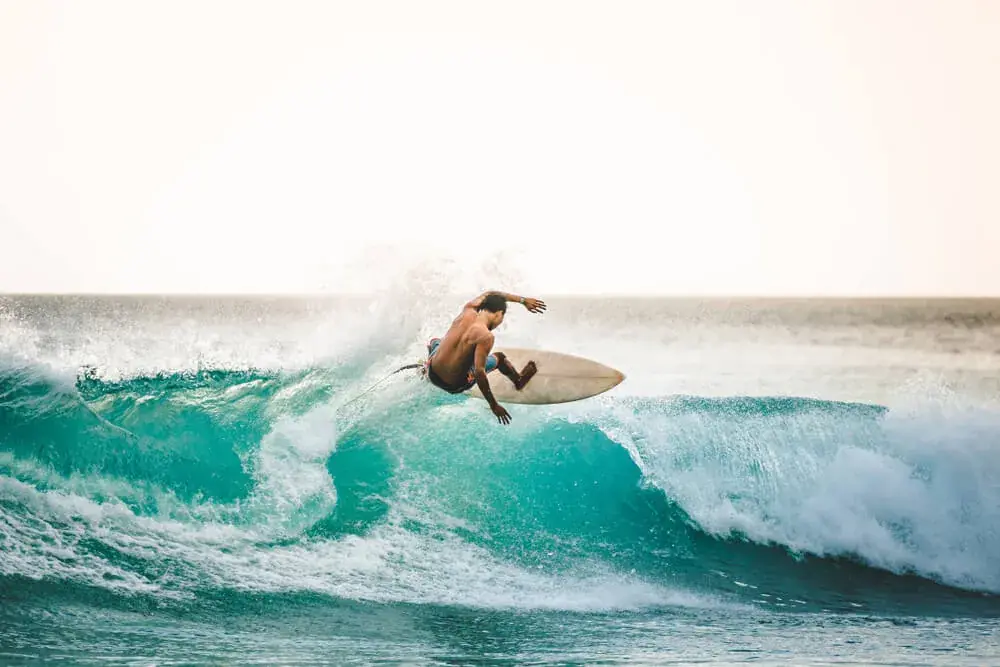
To break this pattern, a premier intermediate training program must provide deep operational support. This means deploying specialized watercraft fleets, maintaining low coach-to-student ratios, and utilizing advanced video capture systems to break down specific movement patterns.
Deep Contextual Background
The commercial architecture of surf coaching has undergone a significant structural shift over the past thirty years. Early surf travel was highly unorganized, driven by an exploratory model where athletes traveled to remote coastlines with zero external guidance. This approach rewarded raw physical persistence and self-taught mechanics, but it also created slow, highly inefficient progression curves for non-elite participants.
The Rise of Scientific Coaching
As the global surfing population grew and surf parks emerged, the demand for structured, high-level instruction increased dramatically. The industry responded by moving away from casual guiding toward disciplined, scientific sports coaching. Operators began incorporating training techniques from elite competitive surfing, adapting them for everyday athletes looking to improve their skills.
Topographical Influences
Geographic regions developed specific training profiles based on their unique coastal topographies and wave characteristics. Central American destinations, such as El Salvador and Costa Rica, became famous for their long, sand-bottom point breaks and predictable beach breaks. These setups are highly effective for practicing repetitive turns and building foundational paddling endurance.
Meanwhile, European hubs like Portugal developed high-performance training centers focused on managing heavy Atlantic swells and varying tidal shifts. Today, the modern intermediate market relies on sophisticated data integration, using automated video reviews, specialized board configurations, and oceanographic modeling to accelerate student progression.
Conceptual Frameworks and Mental Models
To systematically evaluate prospective intermediate training programs, surfers can implement specific mental models. These analytical tools help separate authentic coaching capability from superficial resort marketing.
1. The Rail-to-Volume Index
This framework measures how effectively a camp helps surfers transition from thick, high-volume boards to refined, performance-oriented shapes. A low-quality program leaves intermediate surfers on oversized equipment too long, which limits their ability to engage the rail and execute clean turns. A high-performance operation implements a structured board reduction plan, matching the surfer’s changing skills with precise hydrodynamic profiles.
2. The Crowd Separation Matrix
This model analyzes how effectively a camp separates its training sessions from public, high-density lineups. Intermediate progression relies on catching a high volume of waves in a stress-free environment. A camp that drops students into crowded public breaks forces them to compete with aggressive locals, severely limiting their opportunities. Premium operations use private marine craft or off-peak scheduling to secure clean, uncrowded line-ups for their guests.
3. The Biomechanical Feedback Loop
True technical progression requires a continuous cycle of execution, capture, and analysis. A camp’s value can be measured by how tightly it integrates this loop into its daily schedule. Programs that skip video reviews or rely solely on vague verbal advice from the beach fail to correct deep-seated movement errors, slowing down the surfer’s development.
Key Categories and Operational Variations
The intermediate surf camp market is divided into several distinct categories based on their training methods and regional environments. Each approach presents clear trade-offs regarding coaching intensity, wave consistency, and lifestyle focus.
1. Dedicated Technical Performance Academies
These highly structured operations treat surf travel as an intensive athletic internship. They maintain strict schedules featuring dawn patrol sessions, mandatory video reviews, and pool-based paddling diagnostics. Accommodations are comfortable but secondary to the training infrastructure, making them ideal for surfers focused entirely on rapid skill development.
2. Point-Break Progression Lodges
Located in regions like Morocco or Peru, these camps leverage long, predictable point breaks to provide highly consistent training conditions. The extended length of these waves gives surfers ample time to analyze their stance, practice turning arcs, and build muscle memory. These locations offer exceptional mechanical repetition, though they may lack variety in wave types.
3. Mobile Boat-Based Expeditions
This dynamic model uses liveaboard vessels or dedicated watercraft fleets to track optimal wind and swell conditions across remote archipelagos. This flexibility allows coaches to relocate students daily to matches their changing needs. While offering unparalleled wave variety and crowd exclusion, these trips demand high baseline fitness and adaptability from the participants.
4. Urban-Adjacent High-Performance Centers
Situated in established surf hubs like southwest France or eastern Australia, these centers connect elite coaching infrastructure with vibrant coastal towns. They utilize advanced training tools like wave simulators, indoor skate ramps, and professional sports science facilities. This setup provides world-class technical support, though students must navigate highly competitive local lineups.
Structural Profiles of Intermediate Training Models
Strategic Decision Logic
Selecting the right model requires analyzing your specific technical bottlenecks. If your main challenge is poor posture and weak turns, a Point-Break Lodge offers the long wave faces needed for mechanical repetition. If you struggle with generating speed in unpredictable conditions, an Urban-Adjacent Center provides excellent tactical drills. When you need to build confidence in deeper water and reef environments, a Mobile Expedition is the most effective choice.
Detailed Real-World Scenarios
Analyzing real-world scenarios highlights the common operational friction points that intermediate surfers encounter during intensive training travel.
Scenario A: The Wave-Velocity Mismatch
An intermediate surfer comfortable with slow beach breaks books a trip to a remote island outpost famous for its hollow reef waves. Upon arrival, they find that the local waves break with high velocity over a shallow, unforgiving reef.
-
Resulting Friction: The surfer is unable to match the wave’s speed, leading to repeated late takeoffs, nosedives, and a significant loss of confidence.
-
Systemic Failure Mode: The camp’s itinerary failed to account for the surfer’s lack of experience with high-velocity reef entries.
-
Corrective Pivot: The operator must move the guest to a more forgiving, deeper break or implement step-off jet ski assists to help them match the wave’s speed safely.
Scenario B: The Uncorrected Mechanical Error
A surfer spends a week at a high-end surf resort, catching plenty of waves but continually failing to execute a proper cutback. The resort’s guides provide general encouragement but offer no detailed technical feedback.
-
Resulting Friction: The surfer repeats the same bad habits on every wave, cementing poor mechanics into their muscle memory without making any real progress.
-
Systemic Failure Mode: The resort prioritized general hospitality and guiding over structured, video-driven technical analysis.
-
Corrective Pivot: The surfer needs to transition to a dedicated technical academy that uses frame-by-frame video reviews to isolate and correct specific posture errors.
Planning, Cost, and Resource Dynamics
A realistic budget for an intermediate surf trip requires evaluating direct investments, indirect operating expenses, and potential opportunity costs.
1. Direct Allocations
These primary expenses cover your core training package, including specialized coaching fees, watercraft charters, video analysis additions, and premium equipment rentals. High-performance operations bundle these services upfront to ensure seamless scheduling.
2. Indirect Expenses
This category includes equipment insurance, custom ding repairs, sports therapy sessions, and high-quality zinc sunscreens. For example, damage to a performance fiberglass board on a reef can incur immediate replacement costs if you travel without proper coverage.
3. Opportunity Costs
Choosing a cheap camp with high coach-to-student ratios often results in low wave counts and uncorrected errors. Investing slightly more in a premium, low-ratio academy saves valuable vacation time and drives measurable skill progression.
Comprehensive Financial Projections across Training Tiers
Tools, Strategies, and Support Systems
Advanced intermediate training relies on an integrated ecosystem of digital tools and physical hardware to maximize water efficiency and safety.
-
Swell Telemetry Analytics: Operators use premium tracking platforms to analyze wind, tide, and swell data. This precision allows them to schedule sessions around optimal tide windows before conditions deteriorate.
-
Dual-Angle Video Tracking: Using synchronized land and water cameras captures a surfer’s movements from multiple perspectives. This clear footage is essential for breaking down complex adjustments like shoulder rotation and body weight distribution.
-
Performance Fins and Hardware Swaps: Intermediate surfers should experiment with different fin templates and weights. Changing your fin configuration can significantly alter a board’s drive and maneuverability, helping you adapt to varying wave faces.
-
Targeted Surf Fitness Recovery: Intensive paddling places heavy strain on the upper back, shoulders, and core. Access to dedicated mobility tools, foam rollers, and guided stretching programs helps prevent fatigue and keeps you performing at your best throughout the trip.
Risk Landscape and Failure Modes
Intermediate surf travel involves managing a unique matrix of physical hazards, environmental shifts, and psychological roadblocks.
1. The Overconfidence Trap
Intermediate surfers often overestimate their physical endurance and ocean reading skills. This overconfidence can lead them to enter challenging lineups that exceed their capabilities, exposing them to heavy wipeouts and reef injuries.
2. Lineup Conflict Vectors
As surfers transition to more desirable point and reef breaks, they encounter tight local crowds and highly competitive lineups. A lack of awareness regarding local rights-of-way and drop-in rules can quickly trigger verbal arguments or dangerous collisions.
3. Equipment Failures
Using fragile, performance-oriented boards in powerful surf increases the risk of snapped leashes, broken fins, and structural dings. A equipment failure in an offshore lineup can leave a fatigued surfer stranded in a dangerous swimming situation.
Governance, Maintenance, and Long-Term Adaptation
To maintain high safety and instructional standards, premium intermediate programs must follow strict operational routines.
1. Daily Wave Profiling
Every morning, the head coach must cross-reference real-time offshore buoy data with local wind and tide schedules. This analysis allows the team to match students with breaks that offer the right balance of challenge and safety.
2. Weekly Equipment Audits
All rental surfboards, fins, leashes, and safety gear must undergo regular safety inspections. Any minor structural damage or wear must be repaired immediately to prevent failures while out on the water.
3. Continuous Video Documentation
Coaching teams must maintain organized digital portfolios of every student’s waves throughout their stay. Reviewing this sequential footage helps monitor progress, verify improvement, and adjust training goals in real time.
Pre-Departure Technical Preparation Checklist
Phase 1: Fitness and Strength Building (6 Weeks Out)
-
Complete three targeted upper-body and core training sessions per week. Focus on pull-ups, push-ups, and prone extensions to build paddling endurance.
-
Conduct regular swimming drills to improve lung capacity, cardiovascular fitness, and overall comfort in deep water.
Phase 2: Gear and Logistics Verification (3 Weeks Out)
-
Verify that your travel medical insurance explicitly covers surfing in offshore and remote coastal waters.
-
Send your complete surfing history, including current board dimensions and skill bottlenecks, to the camp’s coaching team.
-
Pack high-grade reef-safe zinc sunscreen, durable rash guards, and a reliable ding repair kit for minor fixes.
Phase 3: Final Swell Analysis (48 Hours Out)
-
Monitor regional ocean charts and swell forecasts to anticipate the incoming wave conditions for your arrival window.
-
Confirm your direct airport transport details with the camp to ensure a smooth transition and minimize travel fatigue.
Measurement, Tracking, and Evaluation
Evaluating the success of an intermediate training program requires tracking both clear quantitative data and subtle qualitative progress signals.
1. Quantitative Performance Metrics
-
Open-Face Transition Rate: Track the percentage of waves where you successfully navigate past the section onto the clean, open face.
-
Functional Turn Angle: Measure the degrees of directional change achieved during bottom turns and cutbacks using video analysis software.
-
Session Wave Volume: Record the total number of waves caught per session to evaluate your positioning efficiency and paddling stamina.
2. Qualitative Success Signals
-
Lineup Positioning Instinct: Monitor how cleanly you read the ocean to position yourself at the peak without wasting energy or chasing waves.
-
Stance and Posture Fluidity: Coaches track how well you replace stiff, rigid posture with compressed knees and active shoulder rotation during turns.
-
Crowd Comfort Level: Evaluate your mental calm and decision-making when navigating busy, competitive point or reef lineups.
Technical Diagnostic Log: Mechanical Analysis
Case Study 1: Delayed Stance Transition
-
Identified Deficit: The surfer is consistently looking down at their feet during the pop-up, which delays their entry and causes them to get caught at the lip of the wave.
-
Prescribed Correction: Practice looking down the line toward the open face during the final paddle strokes to guide the body into an immediate angled turn.
-
Resulting Observation: Changing the eye target allowed the surfer to enter waves earlier, successfully angling their takeoff on five out of seven attempts.
Case Study 2: Weak Bottom Turn Drive
-
Identified Deficit: The surfer is keeping their knees straight and bending only at the waist during the bottom turn, causing the board to lose speed and slide out.
-
Prescribed Correction: Introduce deep knee compression at the base of the wave, driving weight through the front foot to fully engage the board’s rail.
-
Resulting Observation: The adjustment generated significantly more drive, allowing the surfer to carry speed smoothly into their top turns.
Common Misconceptions and Oversimplifications
The intermediate surf travel market is filled with persistent myths that can lead athletes to choose inappropriate training environments.
Myth 1: To improve your turns, you must immediately buy a smaller board.
Many intermediate surfers assume that struggling with turns means their board is too large. This is a common oversimplification. Dropping board volume too quickly usually ruins paddle speed, leading to late takeoffs and fewer waves caught. True progression comes from refining your body mechanics and foot placement on an optimized mid-length board before stepping down to a shortboard.
Myth 2: Point breaks are always safer and easier than reef breaks.
Some operators market point breaks as perfectly safe learning environments because they lack sharp coral floors. This narrative ignores the intense crowd dynamics, strong sweep currents, and challenging boulder entries common at major points. A deep, predictable reef break can often offer cleaner channels and more organized take-off zones than a chaotic, wind-blown point.
Myth 3: General surf guiding functions as professional coaching.
Many resorts use local guides who are excellent surfers but lack formal training in sports biomechanics. These guides are great at showing you where to paddle, but they rarely break down your stance errors or analyze your turning technique. For real mechanical progress, you need a camp that provides structured, video-driven technical instruction.
Myth 4: Swell size is the only metric that determines training quality.
Surfers often focus entirely on wave height, assuming bigger swells deliver better training sessions. For intermediates, oversized surf can be counterproductive, forcing them into survival mode rather than allowing them to practice clean technique. Consistent chest-to-head-high waves with light winds offer the ideal platform for building skill and confidence.
Ethical, Practical, and Contextual Considerations
The rapid expansion of surf tourism into remote coastal regions across developing nations brings important social and environmental responsibilities. Large resort developments can strain local water tables, create waste management issues, and displace traditional coastal communities.
Responsible intermediate surfers should choose operators that actively work to minimize these impacts. Look for camps that prioritize fair local employment, utilize renewable energy systems, and invest back into local environmental protection.
Furthermore, line-up behavior is a key reflection of respect for the local surfing community. Commercial programs must educate their guests on proper water etiquette, wave-sharing rules, and local rights-of-way. By choosing operations that practice sustainable tourism and promote cultural respect, travelers help preserve these unique coastlines and communities for the long term.
Synthesis and Strategic Judgment
Breaking through the intermediate surf plateau requires a structured approach that combines disciplined sports science with precise ocean logistics. A successful progression trip is rarely built on casual resort guiding or superficial lifestyle amenities. True advancement comes from identifying your specific technical bottlenecks and choosing a camp whose environment and coaching methods are designed to fix them. Planners must look past promotional marketing and critically evaluate an operator’s safety protocols, watercraft support, and video review systems.
Ultimately, an engineered surf training program is a powerful investment in your personal skill development, fitness, and love for the ocean. By using clear mental models, managing equipment changes carefully, and preparing for environmental variables, surfers can design a highly resilient trip. The key to a successful experience lies in thorough research, realistic self-assessment, and choosing an operator that treats surf coaching as a precise, professional discipline.