Solo Surf Camp Guide: Best Destinational Rankings & Operational Selection Frameworks
Best surfing camps for solo travelers. The global growth of surf tourism has created a specialized market segment focused on individual travelers. Historically, surf travel required extensive local knowledge, personal transport networks, and group coordination to manage the logistics of remote coastlines. Today, commercial operations have consolidated these needs into structured surf camps. For individuals traveling alone, these environments function as micro-communities that solve the dual challenges of isolation and coastal logistics. Choosing an optimal destination requires analyzing variables beyond basic geographic beauty or wave quality.
Surf travel for a single person involves unique risks and operational considerations. Unlike group excursions where resources are pooled, an individual traveler must navigate foreign environments, physical exhaustion, and ocean safety independently. A surf camp simplifies this process by providing structured accommodation, local transport, equipment access, and coaching. However, the quality of these services varies significantly across regions. A mismatch between a traveler’s skill level and a camp’s operational focus can lead to poor value, limited athletic progression, or physical injury.
To maximize the value of an immersion experience, travelers need a systematic framework for evaluation. This article examines the structural, financial, and logistical mechanics of surf camps globally. By analyzing pedagogical frameworks, local wave mechanics, community dynamics, and risk landscapes, this guide provides a definitive reference for choosing an ideal destination. The objective is to convert a subjective travel choice into an objective decision-making process based on clear criteria.
Understanding “best surfing camps for solo travelers”
The phrase “best surfing camps for solo travelers” is often oversimplified in popular travel media. Marketing materials frequently define the concept through social imagery, focusing on beachfront fire pits, group dinners, and shared dormitories. While community is valuable for an individual traveler, this surface-level definition ignores the technical infrastructure required for genuine athletic progression and safety. A truly optimized camp must balance social integration with high-quality surf instruction and professional logistics.
Technical Infrastructure
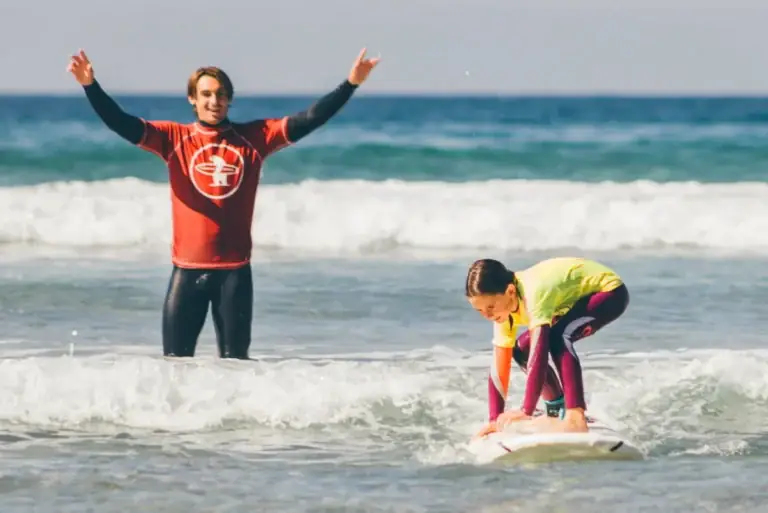
A common misunderstanding is that all surf camps offer equal levels of instruction. In reality, pedagogy ranges from informal guiding to data-driven athletic coaching. For a solo traveler, who lacks a dedicated partner to film waves or provide feedback, the camp’s instructional design is critical. High-performance operations utilize video analysis, skate-ramp simulators, and specific radio headsets to deliver real-time feedback. Without these systems, progression often plateaus quickly, leaving the traveler with minimal return on investment.
Social Architecture
The social environment must also be evaluated analytically. An individual traveler relies on the camp’s physical layout and schedule to build connections without forced social pressure. Accommodations that rely solely on loud bars often create environments that exclude introverted travelers or older professionals. Conversely, overly isolated villas can cause feelings of loneliness after daily activities end. The ideal structure uses shared dining areas, communal lounges, and group transport to encourage organic interaction among diverse demographics.
Coastal Logistics
Logistical reliability forms the final pillar of an optimized solo experience. Traveling alone means there is no companion to share the cost of a car rental or assist during a medical emergency. The camp must manage all transport to changing surf breaks based on daily swell, wind, and tide variations. If an operation possesses inadequate vehicles or poor local knowledge, guests may waste valuable time at suboptimal locations. Therefore, selecting the right camp requires assessing how effectively an operator manages these shifting variables.
The modern surf camp model grew out of the surf exploration culture of the 1960s and 1970s. Early surf travel was defined by individual exploration, where surfers traveled to remote locations like Bali, Peru, or Morocco with minimal infrastructure. These pioneers relied on local hospitality, camped on beaches, and faced significant safety risks. While this era established global surf map foundations, it presented high barriers to entry for solitary individuals who lacked wilderness survival skills or extensive travel experience.
During the 1990s, the surf industry began standardizing accommodations in regions like the Mentawai Islands and South West France. Operators realized that a large demographic of surf enthusiasts wanted to experience high-quality waves without the logistical challenges of raw exploration. This realization led to the first dedicated surf resorts and camps. These early businesses catered primarily to experienced groups or wealthy individuals who could charter entire boats or villas.
The Shift Toward Individual Inclusivity
The internet and digital nomad culture in the 2010s shifted the market toward individual travelers. As remote work expanded, single professionals sought locations where they could live, work, and learn to surf simultaneously. Operators adapted by shifting away from exclusive group bookings toward individual bed rentals, co-working spaces, and structured weekly packages. This evolution turned surf camps from rustic outposts into highly organized hospitality businesses.
Today, the global surf camp market is highly specialized. Locations must compete not just on wave quality, but on the sophistication of their hospitality and coaching methods. The rise of wave pools and advanced swell forecasting software has also created more discerning consumers. Modern travelers expect precise, data-driven service that respects their limited vacation time and specific athletic goals.
Conceptual Frameworks and Mental Models
To systematically evaluate the options within the market, travelers can utilize specific conceptual frameworks. These mental models help break down complex geographic, athletic, and social variables into measurable criteria.
The Swell-to-Skill Alignment Model
This framework matches a destination’s seasonal wave mechanics with a surfer’s technical competency. Ocean swells are measured by height, period, and direction, which interact with local bathymetry (sea floor topography) to create different wave profiles.
-
Beginner Level: Requires low-period swells on shallow sandbars to produce gentle, predictable whitewater.
-
Intermediate Level: Demands longer periods on sand or soft reef breaks to practice turns on open green waves.
-
Advanced Level: Requires heavy, shallow reef or point breaks that demand fast take-offs and precise tube-riding skills.
The primary limitation of this model is seasonal unpredictability. A destination rated perfect for intermediates can become dangerous during an unusual high-energy swell event, or flat during a low-energy cycle.
The Social Friction Minimization Framework
This model assesses how a camp’s physical and operational layout reduces the social anxiety of a lone traveler. It divides camp environments into three distinct zones:
An optimal camp balances these three zones. If a camp only offers private zones, it functions as a standard hotel, which increases isolation. If it only provides shared spaces, it can cause social burnout and lack of rest.
The Pedagogical Return on Investment (pROI) Model
This metric evaluates the efficiency of instruction relative to time and financial costs. It calculates the ratio of structured feedback sessions to total time spent in the water. High pROI operations feature a low student-to-coach ratio (ideally 4:1 or lower), daily video analysis, and clear performance metrics. Low pROI operations feature large groups with a single instructor who merely watches from the beach without providing specific corrections. The limitation here is that high pROI systems require significant energy and concentration from the guest, which may conflict with a desire for a relaxed holiday.
Key Categories and Operational Variations
Surf camps are not uniform; they are built around specific business models, target demographics, and regional environments. Understanding these categories allows solo travelers to align their expectations with operational realities.
Boutique Progression Lodges
These operations focus heavily on technical instruction and premium comfort. They usually cap guest capacity at 10 to 15 people, ensuring low coaching ratios and highly personalized video feedback. Accommodations typically feature private rooms, healthy gourmet meals, and dedicated workspaces.
-
Trade-off: These lodges carry high financial costs and often feature a quieter evening atmosphere, which may not satisfy those seeking an energetic nightlife scene.
Adventure-Centric Surf Hostels
Targeted primarily at younger backpackers, these camps prioritize high-density social interaction and budget accommodation. They use large dormitories, shared kitchens, and organized evening parties to create a lively social environment.
-
Trade-off: The high student-to-coach ratios (often 8:1 or higher) limit technical progression. Noise levels can also make it difficult to get high-quality sleep or work remotely.
Eco-Isolated Wilderness Camps
Located in remote regions such as parts of Central America or the Indonesian outer islands, these camps offer direct access to uncrowded waves. They often operate off-grid, relying on solar power and local food sourcing.
-
Trade-off: Isolation means limited medical infrastructure and no alternative entertainment options if the surf conditions turn poor. Accessing these camps usually requires long, complex transit schedules.
Camp Category Comparison Matrix
Realistic Decision Logic
When choosing among these categories, a solo traveler must evaluate their primary goal for the trip. If the main objective is rapid skill development, technical coaching infrastructure must take priority over social amenities. If the goal is social connection and budget efficiency, accommodation density becomes a key factor.
The most common error is selecting a rustic, high-performance reef-break camp for its beautiful imagery when the traveler still needs basic sand-break instruction. This error leads to fear, lack of progression, and increased risk of injury.
Detailed Real-World Scenarios
To illustrate how these factors interact, we can analyze common real-world scenarios that single travelers face in the field.
Scenario A: The Intermediate Digital Nomad in Central America
An intermediate surfer who works remotely books a four-week stay at a popular beach-break camp in Costa Rica during the green season.
-
Logistical Variables: High afternoon rainfall, variable Wi-Fi reliability, and changing sandbar shapes.
-
Decision Point: The traveler must choose between a camp located directly on the beach with unpredictable power grids or a hillside facility with a backup generator but a 15-minute walk to the surf.
-
Failure Mode: Choosing the beach location without checking its internet infrastructure, leading to missed work meetings when tropical storms disrupt the local network.
-
Second-Order Effects: The stress of work interruptions impacts their performance during morning surf sessions, increasing fatigue and the risk of injury in heavy beach breaks.
Scenario B: The Absolute Beginner in South West France
A solo traveler with no prior ocean experience registers for a one-week high-density hostel camp in Hossegor during September.
-
-
Logistical Variables: Large autumn swells, powerful shorebreaks, and shifting sandbanks.
-
Decision Point: Faced with intimidating ocean conditions, the traveler must decide whether to paddle out with a large group or request a flat-water session in a nearby saltwater lake.
-
Failure Mode: Yielding to group peer pressure and entering heavy surf that exceeds their physical capabilities.
-
Second-Order Effects: The traveler gets caught in a strong rip current, loses their equipment, experiences panic, and develops a long-term fear of the ocean that halts their surfing progression entirely.
-
The true cost of a surf camp experience extends far beyond the base package price advertised online. Individual travelers must budget for multiple indirect and variable expenses to avoid financial strain during their trip.
Direct vs. Indirect Cost Analysis
Direct expenses typically include lodging, a set number of daily lessons, basic equipment rentals, and specific airport transfers. Indirect costs include items like mandatory surf insurance, additional coaching sessions, video analysis upgrades, and tipping for local staff.
Furthermore, board damage fees can accumulate quickly if a traveler creases a fiberglass board on a shallow sandbar. Food and drink costs also vary depending on whether the camp package includes all meals or operates on a room-only basis.
Opportunity and Environmental Costs
For solo travelers, transport flexibility represents a major hidden variable. If a camp does not include daily surf transport in its base price, the traveler must pay for local taxis or rent an individual scooter.
Renting a vehicle alone removes the benefit of sharing costs with a group, which can significantly increase the total trip budget. The table below outlines realistic financial ranges across major global regions for a standard one-week stay.
Estimated One-Week Cost Framework (USD)
Tools, Strategies, and Support Systems
An individual traveler must utilize reliable tools and strategies to ensure safety and consistent athletic development when traveling alone.
Swell Forecasting Applications
Before entering the water, a solo surfer should independently verify ocean conditions using platforms like Surfline or Magicseaweed. Relying entirely on camp guides can leave a traveler unprepared for changing conditions. Understanding metrics like significant swell height, primary wave period, and wind direction allows a surfer to anticipate how a break will behave over a multi-hour session.
Physical Conditioning Protocols
Surfing demands high levels of cardiovascular endurance, core stability, and upper-body paddling power. Arriving at a camp without physical preparation often results in extreme muscle fatigue by day three, which limits the value of the remaining lessons.
Prioritizing swimming, mobility work, and pop-up drills for six weeks before departure helps prevent fatigue-related injuries. This preparation ensures the traveler can handle twice-daily surf sessions comfortably.
Digital Verification of Coaching Credentials
It is vital to verify that a camp’s coaching staff holds legitimate certifications from recognized bodies, such as the International Surfing Association (ISA). Certified coaches are trained in ocean rescue, first aid, and structured teaching progressions. Choosing camps that use uncertified local guides increases safety risks, particularly in challenging breaks or emergency situations.
Risk Landscape and Failure Modes
The intersection of individual travel and ocean sports creates a distinct risk profile. Solo travelers must understand how these risks can compound, turning minor oversights into serious emergencies.
Physical and Environmental Hazards
The ocean presents inherent risks like strong rip currents, shallow reef shelves, marine life encounters, and powerful shorebreaks. Without a dedicated partner watching from the beach, a lone surfer who gets caught in a rip or hits the sea floor relies entirely on the camp’s safety infrastructure. If the instructors are distracted or the guest-to-coach ratio is too high, rescue times can increase dangerously.
Health and Logistical Failures
Traveling alone means that contracting a foodborne illness or experiencing a medical emergency can completely disrupt a trip. If a camp is located far from medical facilities, a infected wound from a reef scrape can quickly escalate into a serious health issue.
Logistically, lost baggage or broken surf gear can also cause significant delays if the camp does not maintain a large, high-quality backup inventory.
Mitigation Strategies
To minimize these risks, solo travelers should establish an independent safety protocol. This protocol includes carrying a personal first-aid kit designed for marine injuries, purchasing comprehensive travel insurance that explicitly covers surfing, and maintaining direct communication lines with family or friends outside the camp.
Governance, Maintenance, and Long-Term Adaptation
Evaluating surf camps requires regular review, as operational quality, local environmental conditions, and management teams can change rapidly over time.
Operational Review Cycles
A surf camp that offered high-quality service two years ago may decline if key coaching staff leave or if overcrowding compromises local wave quality. Travelers should analyze recent, independent guest reviews rather than relying on outdated travel articles. Pay close attention to comments regarding equipment wear, transport reliability, and the attentiveness of the instructional staff.
Environmental and Coastal Shifts
Coastal environments are highly dynamic. Storm cycles, shifting river mouths, and local coastal development projects can permanently alter how sandbars form and waves break.
A camp built around a specific beach break can find its main wave degraded if winter storms alter the local bathymetry. Verifying current coastal conditions with local surf shops or online communities before booking helps avoid arriving at a compromised location.
Structured Pre-Booking Checklist
To ensure an operation aligns with personal and safety requirements, solo travelers can use a multi-tiered evaluation checklist before finalizing any booking.
-
Safety Infrastructure: Confirm the camp keeps a dedicated safety boat or vehicle on hand, maintains an updated first-aid inventory, and works with ISA-certified instructors.
-
Logistical Inclusions: Verify that daily surf transport, equipment access outside of lesson hours, and airport transfers are clearly included in the contract.
-
Social & Living Space Layout: Check the room configurations to ensure there is a healthy balance of private areas and communal spaces suited to your personal preferences.
-
Digital Infrastructure: For remote workers, request verified speed tests of the on-site internet connection and confirm the availability of a backup power solution.
Measurement, Tracking, and Evaluation
Evaluating the success of a surf camp experience involves tracking both quantitative athletic progression and qualitative indicators of well-being.
Quantitative Performance Metrics
Surfers can track their physical progression by monitoring specific, measurable data points over the course of a stay:
-
Wave Capture Efficiency: The percentage of paddled waves successfully caught and ridden, which measures positioning accuracy.
-
Pop-Up Speed & Fluidity: The time in seconds from wave entry to a stable standing stance, measured via video review.
-
Functional Ride Time: The total seconds spent riding the open green face of a wave rather than riding straight in the whitewater.
Qualitative Success Signals
Beyond data points, qualitative factors indicate whether a camp matches a traveler’s long-term goals. These include a measurable increase in ocean confidence, an improved ability to read changing swell patterns independently, and building a reliable global network of surf partners. If a traveler leaves a camp feeling exhausted but confident in their ability to analyze a new surf break alone, the operation has delivered excellent value.
Common Misconceptions and Oversimplifications
Several persistent myths surround the selection of surf camps, frequently leading solo travelers to make poor booking decisions.
-
Myth: Higher prices always mean better coaching. In reality, premium prices often reflect luxury accommodation, gourmet food, or high-end branding rather than the quality of the surf instruction. Some budget-friendly camps run by passionate local surfers offer superior technical coaching compared to luxury wellness resorts.
-
Myth: Choose the destination with the most famous waves. Booking a stay near world-class, high-performance breaks is often a mistake for beginners or intermediates. These spots are frequently crowded, highly competitive, and break over shallow, dangerous reefs. Selecting lesser-known, forgiving waves ensures more time on the water and faster skill development.
-
Myth: Surf camps handle all aspects of travel safety. While professional camps manage daily group logistics, they cannot monitor an individual’s safety outside of scheduled activities. A solo traveler must remain responsible for their health, personal documentation, and physical limits at all times.
Ethical, Practical, and Contextual Considerations
The rise of global surf tourism has introduced significant ethical and social responsibilities that travelers should consider. Surf camps often operate in developing coastal regions where local communities face economic challenges and limited resources.
Local Economic Impacts
Travelers should choose operators that employ local surf instructors, drivers, kitchen staff, and managers, paying them fair wages. Some foreign-owned businesses expatriate most of their profits, leaving little economic benefit for the host community. Supporting businesses that invest in local talent helps foster sustainable tourism models.
Environmental and Cultural Respect
Large crowds can strain local infrastructure, leading to issues with waste management, water scarcity, and reef damage. Responsible camps implement eco-friendly practices like solar power, water filtration systems to reduce plastic use, and proper sewage treatment.
Furthermore, solo travelers should learn and respect local lineups etiquette. Crowding a break or ignoring right-of-way rules creates tension with local residents and compromises safety for everyone in the water.
Conclusion
Selecting among the best surfing camps for solo travelers requires balancing geographic preferences, technical instructional needs, social dynamics, and safety logistics. For an individual traveling alone, a well-run surf camp serves as more than just a place to stay. It acts as a functional framework that handles complex ocean logistics and provides an authentic community environment. By moving past surface-level marketing imagery and using objective evaluation criteria, travelers can find operations that offer genuine athletic progression and safe, memorable experiences.
Ultimately, the value of a surf trip depends on matching your current skills with a camp’s operational environment. Whether choosing a high-performance lodge in Europe or a remote eco-camp in Indonesia, success comes down to careful planning and a clear understanding of personal goals. Approaching this decision with analytical focus ensures your time, energy, and financial investments yield long-term rewards in your surfing journey.