Lineup Strategy Guide: How to Avoid Crowded Surfing Camps Lineups
How to avoid crowded surfing camps lineups. The democratization of global surf travel has transformed quiet coastal regions into highly competitive recreational arenas. As wave-riding culture expands globally, the physical capacity of famous breaks faces constant pressure from an increasing number of participants. Surf camps, which aggregate groups of learners and intermediate surfers, often struggle with spatial distribution. This creates a challenging operational dynamic where structural crowding can compromise safety, reduce wave counts, and diminish the quality of instruction.
Managing this density requires a methodical approach that goes beyond basic seasonal timing or simple scheduling adjustments. The accumulation of multiple surf schools at a single point break is driven by broader socioeconomic and geographical factors. Ocean tides, bathymetric limits, seasonal wind patterns, and accommodation networks all interact to concentrate large crowds within narrow windows of time.
To maintain a safe and productive learning environment, operators and traveling surfers must treat spatial management as an analytical challenge. Achieving low-density surf sessions requires a deep understanding of coastal geography, wave mechanics, and tourist behavior. This article provides a comprehensive analysis of the planning models, tracking tools, and structural strategies needed to bypass crowded regional surf hubs while preserving wave accessibility.
Understanding “how to avoid crowded surfing camps lineups”
Decoupling Strategic Planning from Luck
Successfully executing a plan on how to avoid crowded surfing camps lineups requires looking past surface-level travel tips to examine structural tourist patterns. A frequent mistake is assuming that finding quiet waves is a matter of luck or arriving early in the morning. In reality, crowd avoidance is an analytical logistics challenge. This practice demands careful analysis of regional camp schedules, local transport limits, tide windows, and the physical shape of alternative reefs.
The Limits of Basic Timing Adjustments
Oversimplifying these crowding dynamics often leads to operational failures, where basic timing adjustments fail to account for systemic crowd patterns. For instance, a surfer might choose to paddle out at dawn, only to find three large tour buses arriving simultaneously due to a favorable morning tide. Gaining true mastery over how to manage your position requires mapping the operational routines of nearby accommodations. By studying these local patterns, you can identify open windows when the main crowd returns to shore for meals or transport changes.
The Spatial Reality of Coastal Zones
Furthermore, these planning models must adapt to the physical constraints of narrow coastal zones. Point breaks and river mouths naturally concentrate surfers into small take-off zones, making them highly vulnerable to sudden crowd spikes. When planning models fail to account for these geographical traps, they leave participants stranded in stressful, hyper-competitive waters. A professional approach treats crowd mitigation as a dynamic logistical puzzle, combining spatial data with flexible, independent transport networks.
Historical Infrastructure Growth and the Mechanics of Crowd Clustering
The Transition from Explorer Trails to Standardized Package Tours
The development of international surf tourism has shifted from individual exploration to highly organized, high-density tour groups. During the late twentieth century, traveling surfers operated on loose schedules, accepting basic accommodation in exchange for uncrowded waves. The introduction of standardized digital booking platforms transformed these remote regions into mainstream holiday destinations. This shift established permanent accommodation networks that send large groups of surfers into the water at the exact same time every day.
The Digital Mapping Boom and the Loss of Natural Secrets
The widespread adoption of satellite imagery, digital surf forecasting apps, and crowdsourced wave maps removed the geographical barriers that once protected remote breaks. Breaks that once required local knowledge or difficult overland hikes are now clearly mapped and rated online. This digital transparency has flattened regional crowd distributions, turning what used to be quiet alternative spots into secondary hubs for overflow crowds during heavy swells.
The Rise of High-Volume Surf Schools and Shared Resource Pressures
Over the past decade, the rapid expansion of multi-villa surf camps has placed unprecedented pressure on sensitive coastal zones. These modern business models rely on high guest volumes to balance lower profit margins, leading to larger group sizes in the water. Because many of these commercial schools operate on identical meal and transport schedules, they create predictable spikes in crowd density. This clustering highlights the need for independent surfers to develop structured strategies to bypass these high-density waves.
Spatial-Temporal Frameworks and Carrying-Capacity Mental Models
The Micro-Break Asymmetry Framework
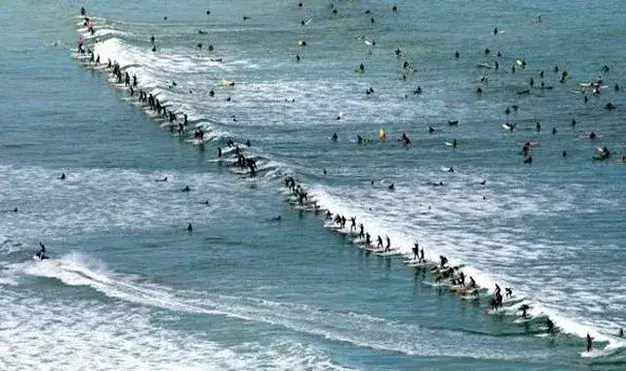
The Micro-Break Asymmetry framework states that high-volume surf schools will naturally cluster at breaks that offer easy sandy entries and wide, predictable take-off zones. Conversely, less accessible micro-reefs—which might feature shallow rocky walks, complex current channels, or changing shifting peaks—remain underutilized. Surfers can exploit this physical mismatch by matching their personal skill levels with these more complex coastal shapes, bypassing the large groups that require uniform, low-risk conditions.
The Operational Intermission Window Model
This behavioral model tracks the daily schedules of high-volume surf resorts to identify predictable gaps in crowd density. Standardized camps generally operate on fixed schedules dictated by kitchen hours and communal transport runs, typically clearing the water between 11:30 AM and 1:30 PM for lunch. By adjusting your personal schedule to ride during these mid-day windows, you can find quiet lineups, trading optimal wind conditions for a significant drop in crowd numbers.
The Spatial Decay Dispersion Model
This geographical framework analyzes how crowd density drops as the physical distance from major coastal roads or surf resorts increases. Breaks located within walking distance of large hotels experience intense, constant crowd pressure throughout the day. As you move further away using boats or off-road vehicles, crowd density drops exponentially. Applying this model involves calculating the travel time and cost needed to reach areas beyond the range of standard foot or scooter traffic.
Typology of Surf Hub Formats and Crowding Risk Profiles
Mainstream Urbanized Point Breaks
These areas are characterized by high-density accommodation networks, direct asphalt road access, and international fame. They feature multiple surf schools operating on the same beach, creating high competition for waves.
-
Trade-offs: These spots offer highly reliable wave shapes and excellent amenities, but suffer from extreme crowding, high stress levels in the water, and an increased risk of collisions.
Decentralized Island Reef Networks
Accessible primarily by boat, these outer reef passes are scattered across large island chains or remote archipelagos. They require specialized maritime transport to access.
-
Trade-offs: They provide clean, high-quality waves and a significant reduction in crowd numbers, but demand high transport budgets and leave surfers exposed to changing ocean currents and winds.
High-Difficulty Overland Beach Breaks
These remote stretches of coastline are protected by rough terrain, requiring four-wheel-drive vehicles or long hikes through dense coastal vegetation.
-
Trade-offs: These areas offer uncrowded waters and a classic wilderness feel, but feature ever-shifting sandbanks and lack safety support or medical facilities.
Private Franchise Wave Zones
Exclusive coastal concessions where land ownership or local tribal agreements limit wave access to a specific lodge or charter boat fleet.
-
Trade-offs: They guarantee zero crowds and a highly relaxed environment, but carry exceptional booking costs and require long-term reservations.
Comprehensive Linup Profile Matrix
Strategic Mapping Logic
Choosing where to surf requires matching your transport assets with local geographic barriers. If a regional hub is dominated by walk-in surf schools, you should avoid the immediate zone entirely during high-tide periods.
Instead, look for nearby beach breaks that require a four-wheel-drive vehicle or a boat ride across the bay. This strategy uses physical barriers to screen out casual crowds, ensuring your sessions remain uncrowded even during peak travel seasons.
Complex Field Scenarios, Asset Dispatching, and Localized Constraints
Scenario A: The Multi-School Bay Convergence
A famous, sheltered sand-bottom bay faces a massive influx of intermediate surfers as three separate camps arrive at 7:00 AM on a premium low-wind tide window.
-
Decision Points: An independent surfer must decide whether to join the crowded take-off zone, wait on the beach for a group to leave, or move to an exposed outer reef.
-
Failure Modes: Joining the crowded lineup leads to long wait times, missed waves, and an increased risk of gear damage from uncoordinated beginners.
-
Second-Order Effects: High crowd stress can spark arguments between surf guides, straining local community relations and ruining the relaxed atmosphere of the camp.
Scenario B: The Changing Outer Reef Wind Shift
A surf charter operator runs an off-grid lodge near a series of outer reef passes, using two fast zodiac boats to transport guests away from crowded mainland spots.
-
Decision Points: When afternoon trade winds pick up early, the operator must choose between keeping guests at the uncrowded but choppy outer reef or returning to the crowded, sheltered mainland point.
-
Failure Modes: Staying on the rough outer reef risks guest exhaustion and equipment damage from choppy water, while returning early sends guests directly into crowded mainland lineups.
-
Second-Order Effects: Choosing to stay out demands extra fuel and extends boat engine hours, increasing operating costs and stressing transport equipment over time.
Scenario C: The Disrupted Tide Window on a Remote Point
A hidden point break that only works at dead low tide experiences sudden crowding when a local highway closure diverts three commercial tour vans directly to its access track.
-
Decision Points: Surfers on the scene must decide whether to rush into the water before the crowd settles, adjust their positioning to sit wide of the main peak, or pack up and search for a different spot.
-
Failure Modes: Rushing into the water without observing the crowd can lead to dangerous drop-ins, as multiple surfers try to share a narrow low-tide take-off zone.
-
Second-Order Effects: The sudden crowd pressure can cause local surfers to push visitors out of the water, creating an unfriendly lineup and increasing safety risks for everyone.
Economic Realities, Logistics Costs, and Resource Planning
Balancing High Transport Costs with Clean Wave Access
Implementing a successful crowd avoidance plan requires a clear shift in how you allocate your travel budget. Bypassing crowded, easily accessible surf hubs typically means investing more in specialized transport, such as renting four-wheel-drive vehicles, hiring private water taxis, or booking remote boat charters.
While these choices increase daily logistics expenses by 30 to 50 percent, they protect your trip investment by ensuring you spend your time riding clean waves rather than fighting for space in crowded lineups.
Factoring in Travel Time and Opportunity Costs
True surf travel planning requires evaluating the trade-off between travel time and actual wave time. Spending hours driving rough dirt roads or waiting for boat captains reduces the total time you have available to surf each day.
You must balance this opportunity cost against the quality of the uncrowded wave you expect to find. If a long, costly journey leads to an inconsistent break, your resources might be better spent finding a quiet time window at a high-quality local spot.
Resource Investment Options
Tactical Systems, Technology Tools, and Field Scouting Operations
Real-Time Marine Traffic and Satellite Monitoring
To identify changing crowd patterns before arriving at a break, surfers can use modern marine tracking tools.
-
Implementation Strategy: Use Automatic Identification System (AIS) tracking apps to monitor the positions of local surf charter boats and water taxis in real time. Combine this tracking data with live coastal webcams to count heads in the water, allowing you to redirect your transport before you ever leave the beach.
-
Operational Constraints: Heavy coastal sea mists or rain storms can block webcam views, requiring you to rely on physical scouting methods and historical data trends.
The Low-Tide Geographic Squeeze Strategy
Surfing challenging tide windows allows you to use changing ocean depths to naturally filter out less experienced crowds.
-
Implementation Strategy: Identify breaks that become shallow, fast, and rocky during low-tide windows. Because high-volume surf schools require deep water and sandy bottoms for safety, they will clear out during these periods, leaving the wave open for experienced surfers.
-
Operational Constraints: Surfing shallow reefs increases your risk of fin damage and skin cuts, requiring careful wave selection and protective reef booties.
Mid-Day Heat Session Timing
Adjusting your training hours around standard resort meal schedules allows you to exploit predictable drops in lineup numbers.
-
Implementation Strategy: Paddle out at 11:45 AM, exactly when commercial surf vans pull their groups out of the water for scheduled lunch runs. Stay on the water until 2:15 PM, using high-protection mineral zinc to handle the intense mid-day sun while enjoying a quiet lineup.
-
Operational Constraints: Strong onshore winds often pick up during mid-day hours, which can choppy up the wave face and demand extra physical paddling effort.
Multi-Peak Micro-Scouting Runs
Using small, mobile transport assets allows you to scout multiple secondary peaks along a single stretch of coastline.
-
Implementation Strategy: Use light off-road motorcycles to check less prominent bends in the coast, looking for minor sandbanks or reef adjustments that create brief, high-quality waves away from the main spots.
-
Operational Constraints: These minor peaks are often highly sensitive to shifting wind and tide directions, meaning a good wave shape may only last for an hour or two before disappearing.
Strategic Wave App Interpretation
Analyzing raw weather and swell data directly helps you find high-quality waves that standard forecasting apps might overlook.
-
Implementation Strategy: Focus on raw offshore buoy data, wind directions, and bathymetric charts rather than relying on basic star ratings in popular surf apps. Look for complex swell angles that illuminate hidden reefs while leaving mainstream point breaks flat and uncrowded.
-
Operational Constraints: Interpreting raw marine data requires significant experience and geographic knowledge, as small errors in wind calculations can result in long, unproductive journeys.
Localized Maritime Cooperative Agreements
Building relationships with local fishermen opens up flexible, independent transport options across restricted coastal zones.
-
Implementation Strategy: Set up private transport agreements with local fishing cooperatives to secure early-morning boat rides to distant outer reefs. This approach bypasses standard water-taxi lines and ensures you arrive at the peak well ahead of commercial camp boats.
-
Operational Constraints: Small traditional fishing boats often lack modern marine safety equipment, requiring you to verify weather conditions and safety gear before setting out.
Risk Matrix, Conflict Mechanics, and Compounding Field Vulnerabilities
Short-Term Lineup Stress and Safety Hazards
Short-term risks center on the immediate safety hazards created by crowded, uncoordinated lineups. When too many surfers crowd a single take-off zone, the risk of drop-ins and collisions increases dramatically.
This crowd pressure can cause beginners to lose control of their boards in heavy whitewater, turning loose gear into dangerous obstacles for nearby surfers and increasing the risk of cuts and impact injuries.
Rising Local Tensions and Unwritten Etiquette Rules
Heavy crowd pressure frequently strains relationships between visiting surfers and the local community. When large commercial schools dominate a break, local surfers can feel pushed out of their home waves, leading to strict enforcement of unwritten lineup rules.
Failing to respect these local priorities can cause verbal arguments, hostile water environments, and a combative atmosphere that compromises everyone’s safety.
Long-Term Environmental Strain and Regulatory Restrictions
The long-term risks of unchecked crowd growth include severe damage to sensitive coastal ecosystems and the introduction of strict access rules. Heavy foot traffic can erode protective sand dunes, while unregulated boat traffic can damage shallow reef systems.
To protect these natural resources, local governments often step in with strict rules, including mandatory permit systems, surfer caps, and restricted access zones that limit future travel flexibility.
Governance Frameworks, Iterative Review Cycles, and Adaptations
Regular Protocol Reviews and Route Tracking
To maintain flexible, uncrowded operations over time, surf guides and independent travelers must conduct regular strategy reviews. Document every session’s crowd levels weekly, note which camps appeared at specific spots, and track how changing sandbanks affected crowd distribution.
These regular reviews help you update your travel routes, ensuring you discard spots that have become too commercialized and replace them with quieter alternatives.
Developing Flexible Options for Shifting Conditions
Travel plans must include clear, data-driven backup options to handle unexpected crowd shifts in the field. For example, if you arrive at a remote reef and find multiple charter boats already anchored, your plan should automatically direct you to a secondary beach break nearby.
Removing guesswork from your daily logistics helps you avoid the temptation to join an already overcrowded lineup out of frustration, keeping your travel focus on safety and wave quality.
Layered Operational Mobility Protocol
-
Daily: Monitor AIS marine data before launching boats, count heads at local peaks using live webcams, and check wind forecasts to confirm your alternative spots are clean.
-
Weekly: Review the arrival calendars of large local resorts, note which breaks experienced the highest crowd pressure, and adjust your mid-day timing windows accordingly.
-
Monthly: Inspect off-road vehicles for tire and suspension wear, update your maps with newly formed sandbanks, and gather feedback from local surf guides on shifting crowd trends.
-
Seasonally: Review your long-term travel routes to avoid growing tourist hubs, update your safety and emergency protocols, and renew transport agreements with local fishing cooperatives.
Metric Tracking, Field Evaluations, and Documentation Registries
Distinguishing Real-Time Input Actions from Long-Term Quality Outcomes
Evaluating the success of your crowd avoidance strategy requires tracking both real-time input actions and long-term quality outcomes. Input actions measure your daily logistical choices, confirming that you are actively working to avoid crowds. Examples include tracking your departure times or counting the kilometers traveled away from main roads.
Quality outcomes measure the actual success of those efforts, tracking metrics like your average wave count per session or the number of surfers sharing your take-off zone.
Balancing Digital Data with Visual Wave Assessments
Your tracking system should combine digital data with structured visual observations. Automated tracking uses digital tools to log your sessions, recording coordinates, tide levels, and wind directions.
Visual monitoring adds human judgment to this data, using quick counts of surfers in the water before paddling out, assessing the skill levels of the crowd, and noting how local etiquette is being respected. This combined approach helps you make better-informed choices for your next session.
Socio-Ecological Boundaries and Communal Etiquette Dynamics
Navigating competitive lineups requires a deep respect for the social rules and traditions established by local surf communities. Every surf break operates under an unwritten hierarchy that prioritizes resident surfers who ride these waves year-round. Visiting surfers and commercial camps must acknowledge this priority, avoiding behavior that disrupts the natural rhythm of the lineup or dominates the take-off zone through sheer numbers.
When commercial surf schools ignore these local dynamics, they risk creating ongoing tension between visitors and residents. To prevent these conflicts, independent travelers should spread out across the peak rather than clustering in a single tight group. Additionally, spending money at local beach stalls, hiring local guides, and respecting regional fishing zones helps ensure that your presence supports the community, preserving open water access for future journeys.
Strategic Conclusions and Long-Term Horizon Projections
The future of international surf travel depends on moving away from famous, over-mapped hubs toward flexible, independent travel styles. As global surf numbers grow, relying on basic travel advice or standard app forecasts will inevitably land you in crowded, stressful waters. Securing high-quality, quiet sessions requires a commitment to analyzing coastal geography, understanding local resort schedules, and investing in independent transport assets.
Long-term success on the water demands treating crowd mitigation as an essential part of your trip preparation rather than a matter of luck. By identifying geographic barriers, planning around peak camp hours, and respecting local water hierarchies, you can bypass crowded spots while protecting the quality of your sessions. The evolution of surf travel will be led by surfers who use data, mobility, and cultural respect to find quiet waves, preserving the classic spirit of exploration across the world’s coastlines.