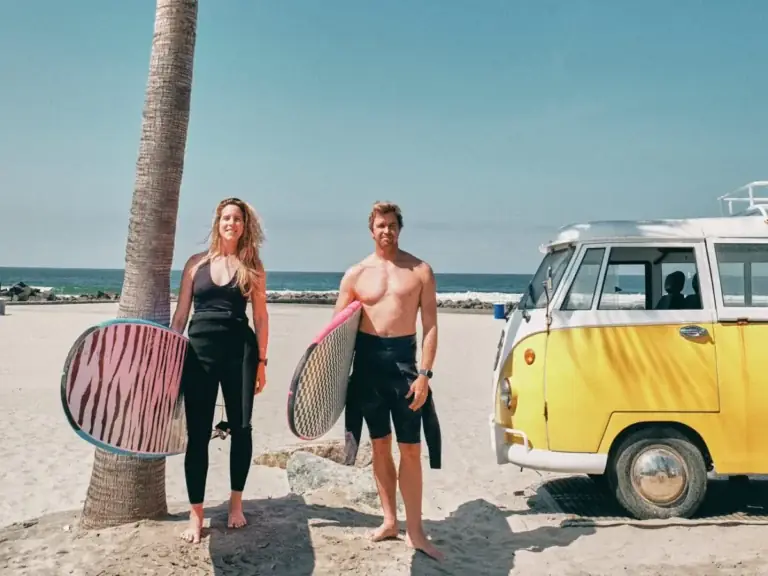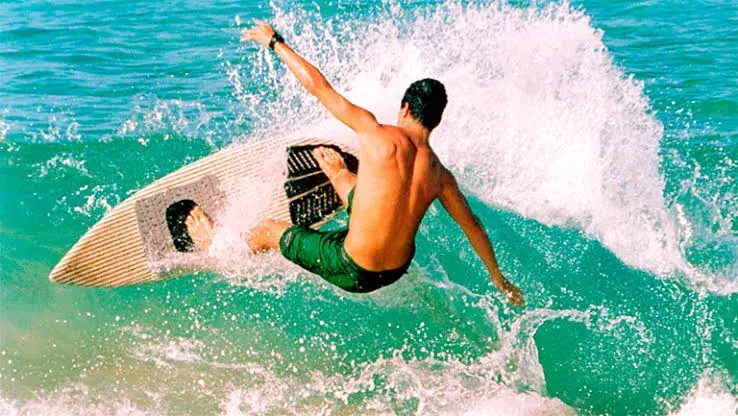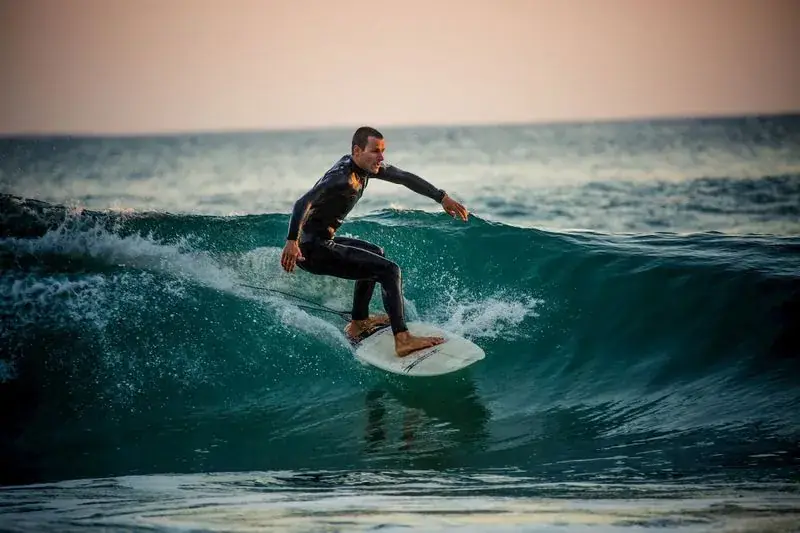
Intermediate Surf Coaching: Deciding on the Top Camps in America
The landscape of surf education in the United States features a well-defined structural gap between novice instruction and competitive athletic training. Most surf schools function within high-volume tourism markets, optimizing their operations to push absolute beginners into small white-water waves. Conversely, elite coaching programs focus almost exclusively on sponsored athletes or high-performance shortboarders. This leaves a vast population of recreational surfers isolated in the intermediate plateau. These individuals can stand up consistently but struggle to navigate open-ocean green waves, generate speed, or execute functional turns.
Overcoming this intermediate impasse requires a shift in both educational methodology and ocean logistics. Novice instruction relies on passive assistance, where an instructor physically pushes a high-volume softboard into pre-broken waves. This approach bypasses the critical cognitive steps of wave tracking, matching swell velocity, and reading coastal bathymetry. For an intermediate surfer to progress, the training must transition toward independent asset management. The student must learn to read the fluid dynamics of the surf zone while modifying their biomechanics in real time.
Specialized training centers have emerged along major American coastlines to address this specific developmental window. These institutions combine sports science with field-based oceanography to replace intuitive guesswork with measurable athletic progress. By isolating the variables that cause performance plateaus—such as improper eye gaze, stiff knee flexion, or poor board selection—these programs help surfers transition from passive passengers to active drivers on the wave face.
Operating these advanced training programs involves navigating complex coastal regulations, managing diverse equipment inventories, and designing adaptive curricula that change with shifting swell conditions. For the participant, selecting an appropriate program requires analyzing how a camp’s geographic location, coaching technology, and training philosophy align with their developmental needs. This analytical guide provides a comprehensive framework for understanding, evaluating, and utilizing these specialized coastal training assets.
Understanding “top intermediate surf camps america”
The designation “top intermediate surf camps america” refers to a select group of high-quality coastal training programs designed for surfers who have moved past the initial beginner stage. In the context of American outdoor education, an intermediate surfer is defined as someone who paddled out independently, reads basic lineups, and performs unassisted takeoffs on unbroken green waves. These specialized camps provide structured, multi-day instruction that replaces simple beach supervision with technical coaching, motion analysis, and oceanographic literacy.
Analyzing the Core Instructional Design
A common misunderstanding is that an intermediate camp is simply a standard surf school with a lower student-to-instructor ratio. In practice, the structural differences are deep. High-quality intermediate operations utilize advanced coaching assets, including two-way radio helmets, high-definition drone tracking, and land-based surfskate simulators. They eliminate rigid, time-blocked beach schedules, allowing the daily training itinerary to move dynamically based on changing tides, wind patterns, and sandbar formations.
Another oversimplification is assuming these intermediate programs follow a uniform curriculum across different regions. Because American coastlines feature highly diverse marine ecosystems, a camp’s teaching style is deeply tied to its local geography. A program operating along the rocky point breaks of New England focuses on long-period swell tracking and complex wrap dynamics. Meanwhile, an operation situated near the shifting sandbars of the Outer Banks prioritizes quick takeoff timing, short-period navigation, and managing rapid current drift.
Navigating Access and Permitting Frameworks
Understanding this educational sector also requires recognizing the strict regulatory environments that govern commercial access to public coastlines. Premium intermediate camps must secure explicit commercial permits from state park systems, municipal beach authorities, and federal entities like the National Park Service. These permits regulate the maximum number of students allowed in a lineup at one time, which prevents overcrowding and protects sensitive coastal environments. Evaluating these operations involves looking past marketing materials to verify their regulatory compliance and local standing.
Historical and Structural Evolution of the Intermediate Market
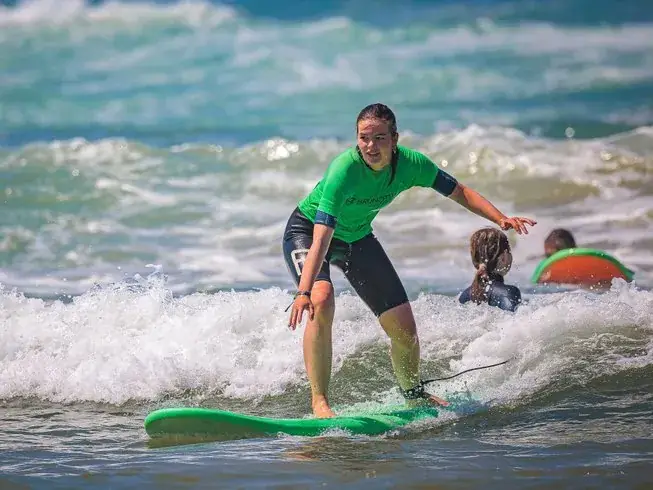
The institutional framework for surf instruction in the United States was historically built around a high-volume, entry-level business model. During the surf boom of the late twentieth century, schools proliferated across traditional hubs like southern California, Florida, and Oahu. These early programs focused almost exclusively on providing single-day experiences for summer tourists. The instructional methodology was highly simplified, designed to get a student standing on an oversized board within an hour, without teaching independent ocean safety.
The Emergence of the Plateaued Surfer
As the demographics of the sport matured during the 2000s and 2010s, a large population of self-taught surfers began encountering clear performance barriers. These individuals found that while they could easily catch waves on large equipment, they could not transition to smaller boards or perform clean turns. The lack of structured guidance for this specific skill level led to widespread frustration and crowded lineups, as intermediate riders struggled to navigate changing ocean conditions safely.
Technology-Driven Coaching Innovations
The modern era of the top intermediate surf camps america is defined by the integration of professional sports science into recreational coaching. Over the past decade, video recording gear became highly portable, drone tracking offered clear aerial views of wave positioning, and land-based training tools like surfskates were perfected. These developments allowed coaches to break down complex movements frame by frame, transforming surfing from an intuitive pastime into a structured, data-driven sport.
Conceptual Frameworks for Mid-Tier Wave Progression
To help students break through long-standing performance plateaus, premium intermediate camps utilize specific conceptual frameworks. These mental models convert complex ocean movements into clear, repeatable actions, allowing surfers to build a deeper understanding of the marine environment.
The Functional Takeoff Window Matrix
This framework trains surfers to analyze incoming open-ocean waves as dynamic three-dimensional shapes rather than flat surfaces. Students learn to time their paddle speed to match the changing velocity of the wave.
-
Swell Detection: Reading the horizon to identify incoming wave sets, calculating their speed, and predicting where the peak will break.
-
Matching Velocity: Adjusting paddle stroke power to match the accelerating momentum of the wave face before it begins to break.
-
Angled Entry: Turning the board relative to the shoreline during the takeoff phase to engage the rail early and avoid dropping straight into the trough.
The Kinetic Chain Alignment Model
Riding open waves requires precise body positioning to generate speed and maintain control. This framework analyzes the surfer’s movements from their feet up to their head rotation. Coaches use video analysis to ensure the student’s center of gravity stays centered over the board’s stringer during compression and extension movements. Correcting minor posture flaws reduces drag, increases speed, and helps surfers navigate fast sections safely.
Coastal Bathymetry Adaptation Mechanics
Intermediate surfers must learn to adapt their positioning and technique to changing underwater structures. This model breaks down how different sea floors shape breaking waves, helping students select the right approach for each environment.
Key Categories, Typologies, and Geographic Networks
The market for intermediate surf coaching in the United States is highly varied, with regional ecosystems offering distinct wave types, water temperatures, and environmental challenges. Selecting the right program requires matching your current skills with the unique characteristics of each geographic area.
Southern California Technical Hubs
Programs operating in San Diego, Orange County, and Santa Cruz focus on technical consistency and biomechanical analysis. These regions feature highly predictable point breaks and reef swells, making them excellent locations for practicing precise rail turns and carving maneuvers.
Instruction in these hubs relies heavily on video reviews and land-based skate simulators. This technical focus makes them ideal for intermediate surfers who want to fix specific movement errors.
Central Pacific High-Energy Systems
The Hawaiian islands, particularly the south and north shores of Oahu, provide a distinct training environment shaped by powerful open-ocean swells. Intermediate camps in this region help students transition from soft beach breaks to heavy reef setups.
The curriculum focuses on managing water safety in larger surf, handling strong currents, and mastering late takeoffs. This environment is perfect for surfers looking to build confidence in deep-water conditions.
Atlantic Sandy Beach Breaks
The East Coast, from New England down to Florida and the Outer Banks, offers an unpredictable training environment shaped by shifting sandbars and seasonal weather systems. Camps in these regions focus on reading rapidly changing lineups, managing quick current drift, and generating speed on shorter wave faces.
This training helps surfers develop fast reflexes and excellent paddle endurance, which are essential skills for navigating unpredictable beach breaks worldwide.
Comparative Program Architecture
The following matrix analyzes the primary archetypes of intermediate surf coaching across the United States based on core operational factors.
Real-World Operational Scenarios and Decision Logic
To understand how premium intermediate coaching works in practice, it helps to analyze realistic scenarios that require careful planning, clear risk management, and quick adjustments to changing ocean conditions.
Scenario A: Transitioning from a Longboard to a Mid-Length
A self-taught longboarder joins a four-day camp in San Diego, aiming to downsize to a smaller, more maneuverable mid-length board.
-
The Challenge: The student struggles to catch waves on the smaller board due to poor paddle positioning and slow takeoff timing.
-
The Decision: The coach uses a drone to analyze the student’s positioning, showing that they are paddling too far outside the wave’s peak. They move the student closer to the breaking zone and use a radio helmet to cue the exact moment to pop up.
-
The Outcome: The student adjusts their positioning, catches waves easily on the mid-length board, and learns how board design changes your approach to the lineup.
Scenario B: Navigating a Dense Point-Break Lineup
An intermediate surfer travels to a crowded point break in Malibu to learn how to position themselves safely and confidently in busy lineups.
-
The Challenge: The student feels anxious in the crowded field, resulting in missed waves and poor positioning near the takeoff zone.
-
The Decision: The instructor takes the student to an elevated bluff to study the lineup crowd patterns before entering the water. In the surf, the coach acts as a physical buffer, teaching the student how to use priority rules and spot open wave shoulders safely.
-
The Outcome: The student understands crowd dynamics, catches waves cleanly without interfering with others, and builds the confidence needed for busy lineups.
Financial Dynamics, Costs, and Resource Management
Enrolling in a premium intermediate surf training program requires a clear understanding of the financial commitment involved. High-quality camps balance significant operational overheads, including commercial public permits, specialized liability insurance, and maintaining advanced coaching equipment.
Direct and Indirect Expense Structures
Direct costs typically include coaching fees, video analysis services, board rentals, and local transport to different surf breaks. Indirect expenses cover items like airfare, accommodations, meals, and proper seasonal gear, such as high-quality wetsuits for cooler regions. Surfers should budget carefully for both categories to ensure a smooth, well-planned training experience.
Investment Ranges Across Program Tiers
Total costs vary based on the level of coaching expertise, training technology, and local logistical support. The table below outlines standard price ranges for intermediate surf coaching across the United States.
Technical Tools, Strategies, and Support Systems
High-end intermediate surf camps stand out by using specialized technology to enhance their coaching. These tools convert the intuitive feel of surfing into clear visual data, making it easier for students to understand and improve their technique.
Two-Way Real-Time Radio Communication
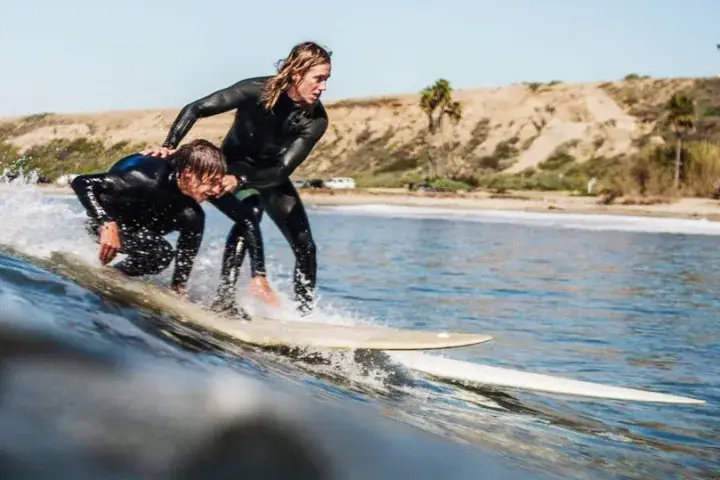
Coaches use waterproof radio helmets to give immediate feedback to surfers while they are actively riding a wave. Instead of waiting until the ride is over, an instructor can give real-time cues about body stance, rail engagement, or upcoming wave sections. This instant feedback speeds up muscle memory and helps students correct mistakes on the spot.
Multi-Angle Drone Video Review
Aerial video tracking provides a clear top-down view of a surfer’s positioning and wave selection. Drones capture how a surfer paddles relative to the reef, how they position themselves on the wave face, and the lines they take through turns.
Reviewing this footage allows coaches to point out subtle errors in positioning that are hard to see from the beach. This data-driven approach helps students break through performance plateaus more efficiently.
Advanced Intermediate Equipment Selection
-
High-Volume Mid-Lengths: Provide stability for paddle progression while allowing easy rail-to-rail transitions.
-
Epoxy Training Shapes: Deliver consistent buoyancy and durability across different water temperatures.
-
Custom Fin Configurations: Allow adjustments to thruster, quad, or single-fin setups to match current wave speeds.
-
Impact and Flotation Vests: Build confidence and add safety for students training in larger, high-energy surf zones.
-
Two-Way Radio Helmets: Enable real-time coaching feedback while the student is actively riding a wave.
Risk Landscape, Environmental Hazards, and Failure Modes
Training in open-ocean environments introduces unique safety risks that require structured management systems. Premium surf destinations prioritize safety by employing experienced local guides and implementing strict risk-mitigation protocols.
Oceanographic and Physical Hazards
Major safety risks include coral cuts, contact with sea urchins, strong rip currents in reef passes, and intense solar heat. Deep-water reefs can also create powerful wave energy that leads to long hold-downs after a wipeout.
High-quality camps manage these risks by conducting clear safety briefings before every session. They track local tide cycles, monitor weather changes, and maintain fully stocked marine medical kits on site.
Operational Failure Modes and Solutions
A common operational issue occurs when a camp forces a strict schedule during poor ocean conditions. This can lead to student frustration or safety hazards.
Premium camps avoid this by using a flexible itinerary. If a local break becomes unsafe or unrideable, the camp shifts to alternative activities like flat-water paddle analysis, breath-hold training, or geographic exploration of protected coastlines.
Long-Term Maintenance, Practice Design, and Adaptation
The progress made during an intermediate surf camp requires consistent practice and a clear plan to maintain once students return to their home waters. Translating warm-water skills to cold-water or beach-break environments is essential for long-term athletic growth.
Adapting Skills to Home Environments
Surfers often find it challenging to transition from predictable tropical reef breaks to shifting, cold-water mainland beach breaks. To maintain their form, students should focus on core habits learned during camp, such as proper paddle posture and clean pop-up mechanics.
Using thicker wetsuits back home requires more paddling effort, so maintaining upper-body strength through swimming or paddling exercises is key to preserving progress.
Continued Training and Education
-
Remote Video Coaching: Sending footage of your home sessions to your camp coach for regular analysis and advice.
-
Surfskate Mobility Drills: Using specialized carving skateboards to practice rail turns and maintain muscle memory on land.
-
Cardiovascular Swimming Routines: Practicing interval swimming to maintain the lung capacity and endurance needed for paddling.
-
Oceanography and Weather Tracking: Learning to read local buoy data and weather charts to better understand your home break’s patterns.
Measurement, Metrics, and Performance Evaluation
Measuring athletic progress in a dynamic ocean environment requires tracking both concrete data and qualitative improvements. Because every wave is different, performance is evaluated by how consistently a surfer adapts to changing marine conditions over time.
Comparing Data Points and Fluid Performance
Quantitative metrics provide clear, measurable benchmarks, such as tracking paddle speed with GPS watches, counting total waves caught, or recording the length of a ride.
Qualitative metrics focus on the control, style, and efficiency of the movements. These include the smoothness of the pop-up, positioning relative to the wave’s peak, and breathing control during a wipeout. Combining both approaches gives a balanced view of a surfer’s overall development.
Structured Progress Review Framework
A high-performance training program uses a step-by-step evaluation process to guide surfers from close supervision to independent ocean navigation.
-
Day 1 Baseline: Evaluating paddling technique, water comfort, and pop-up mechanics in a controlled environment.
-
Day 3 Analysis: Using mid-camp video reviews to check rail control, body alignment, and wave selection adjustments.
-
Day 5 Independence Check: Assessing the student’s ability to safely analyze the lineup, catch waves, and ride without instructor assistance.
Common Misconceptions and Structural Oversimplifications
The growing popularity of intermediate surf travel has led to several common myths that can create unrealistic expectations for new students. Clarifying these misconceptions helps surfers approach their training with practical, attainable goals.
Myth 1: Transitioning to Smaller Boards Always Indicates Progress
Many intermediate surfers believe that moving to a smaller board is the only true sign of improvement. In reality, switching to a shortboard too early often slows down development by reducing wave counts and causing poor paddling habits. High-quality camps prioritize matching surfers with the right equipment for their current skill level, emphasizing control and wave count over board size.
Myth 2: Practice Alone Guarantees Technical Improvement
A common misconception is that spending hours in the water will automatically fix technique flaws. Without proper feedback, repetitive practice can reinforce bad habits, such as an incorrect stance or poor arm placement. Professional coaching helps surfers identify and correct these errors early, turning casual sessions into focused, effective practice.
Myth 3: Intermediate Training Is Only for Young Athletes
Many older recreational surfers avoid intermediate camps because they assume these intensive programs are only for young, competitive athletes. This keeps them from accessing highly effective, personalized coaching that can make their surfing safer and more enjoyable. High-quality programs design their training around each individual’s fitness level and goals, proving that skill development has no age limit.
Synthesis and Long-Term Adaptation
Investing in a program within the category of top intermediate surf camps america represents a major step forward in an athlete’s journey toward ocean mastery. Bypassing high-volume, generic instruction allows surfers to build a strong foundation rooted in ocean science and biomechanical awareness. The real value of a premium intermediate camp lies in this structured approach, combining a supportive natural environment with clear, data-driven coaching.
Success over the long term requires choosing a program that matches your specific experience level, physical fitness, and athletic goals. Whether training along the point breaks of California, the powerful reefs of Hawaii, or the beach breaks of the East Coast, the ultimate objective is to build complete independence and strong safety awareness in the water. By maintaining these core habits, practicing mindfully at home, and respecting the marine environment, surfers can enjoy a safe, rewarding pathway to lifelong progression.