Surfing Camps Physical Fatigue Management: Structural Physiology and Recovery Protocols
How to manage surfing camps physical fatigue. The surging popularity of intensive multi-day surf excursions has brought an overlooked physiological reality to light. Immersive athletic travel formats place extreme physical demands on the human body, combining unfamiliar movement mechanics with harsh environmental exposures. Participants frequently transition directly from sedentary professional roles into multi-hour daily training blocks in volatile aquatic environments. This abrupt shift generates acute physiological stress that cannot be managed by standard vacation rest strategies.
Understanding the operational limits of the human body in moving water is essential for maintaining athletic progress. The systemic strain experienced during a week of intensive surf coaching involves complex metabolic, muscular, and neuroendocrine systems. Unlike field sports where athletes perform on stable ground, water sports require continuous isometric micro-adjustments to maintain balance. Furthermore, thermoregulatory stress from wind and water exposure accelerates glycogen depletion and muscular exhaustion. Consequently, a systematic protocol for recovery is necessary to prevent injury and avoid early performance plateaus.
This analysis details the physiological mechanisms, recovery frameworks, and strategic planning methods needed to handle high-volume training in the water. By examining energy path utilization, movement load distribution, nutritional timing, and sleep architectures, this guide establishes an empirical approach to endurance. The goal is to provide an analytical, authoritative reference for understanding how to balance physical exertion with structural recovery during immersive surf training.
Understanding “how to manage surfing camps physical fatigue”
The phrase “surf camp exhaustion” is often minimized by the travel industry as a minor, expected side effect of an active vacation. This perspective overlooks the deep biomechanical disruption that occurs when an untrained body paddles for several hours a day. True systemic exhaustion is not simply feeling tired at the end of a long afternoon on the beach. It represents a real drop in muscular power, neurological reaction speeds, and joint stability.
Learning how to manage surfing camps physical fatigue requires moving past basic advice like drinking more water or taking brief naps between sessions. A structured approach evaluates how multiple physical stresses—such as shoulder muscle strain, core fatigue, and sun exposure—interact over several days. If these factors are ignored, the body’s movement mechanics break down rapidly. This degradation leads to a higher risk of joint injuries, slower reaction times in the lineup, and decreased wave-catching capability.
Furthermore, evaluating an athletic program requires understanding the conflict between immediate vacation goals and long-term physical durability. Many travelers try to maximize their time by staying in the water until they are completely exhausted. This approach often causes performance to drop significantly by the third day of training, making it difficult to acquire new motor skills. A technically sound strategy uses planned rest intervals to keep the nervous system responsive, allowing for clean movement execution throughout the entire trip.
The Systemic Evolution of Aquatic Endurance Athletics
Historically, surf endurance was built over years of regular exposure to local coastal environments. Early participants developed specific shoulder and core conditioning through consistent time in the water, rather than structured dry-land training. The sport was viewed as an art form or lifestyle pursuit, which meant organized physical training frameworks were rarely used. Recovery strategies were informal, relying on basic rest and local dietary habits without an analytical focus on metabolic restoration.
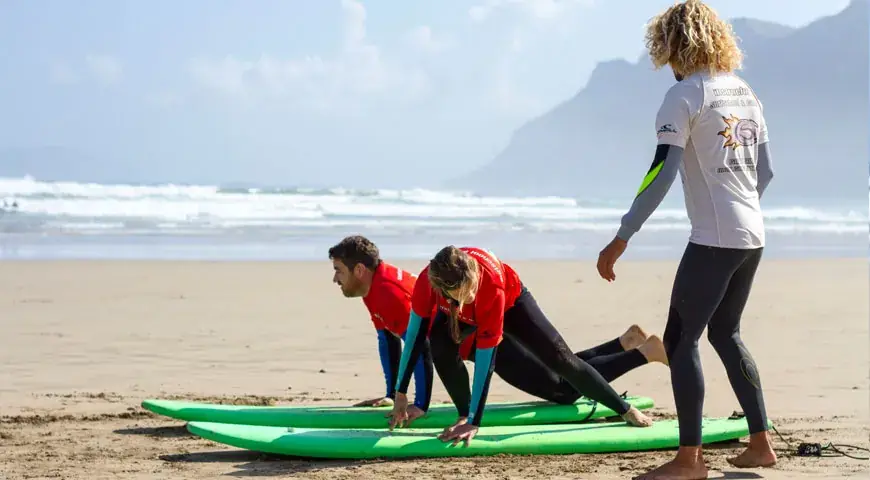
As commercial surf travel expanded in the late twentieth century, intensive multi-day training camps became a popular vacation format. This structural change compressed months of traditional ocean exposure into short, high-intensity one- or two-week programs. Early operations focused primarily on maximizing time in the water, without considering the physical limits of travelers arriving from sedentary jobs. This lack of structural planning often resulted in high injury rates and widespread physical exhaustion by the middle of the training week.
The Modern Sports Science Approach
Over the past two decades, professional surf coaching has increasingly adopted training methods from elite endurance and Olympic sports. Top-tier operations now design their programs around sport science principles, using structured workout-to-rest ratios and targeted nutritional planning. Modern camps use video review and land-based drills to minimize unnecessary movement in the water, helping students conserve energy. This evolution has shifted the focus from raw overexertion to strategic energy management, allowing participants to train safely and effectively.
Physiological and Biomechanical Recovery Frameworks
Paddling a surfboard places unique demands on the musculoskeletal system, requiring sustained upper-body endurance and core stability. The movement requires long periods of spinal extension combined with repetitive, high-volume shoulder rotations. For individuals accustomed to seated office environments, this posture creates significant stress on the rotator cuff muscles, lower back, and thoracic spine.
Metabolic Pathways and Glycogen Depletion
Surfing utilizes a combination of aerobic and anaerobic energy systems. Paddling out through broken waves and positioning for swells requires steady, low-intensity aerobic exertion. Conversely, catching a wave and popping up demands explosive anaerobic power from the upper body and legs. This constant switching between energy systems depletes intramuscular glycogen stores rapidly, especially when training in cool water that forces the body to expend energy on heat production.
The Kinetic Chain and Compensatory Movements
When key muscle groups like the latissimus dorsi or lower trapezius fatigue, the body automatically alters its movement patterns to compensate. This shift forces smaller stabilizer muscles, such as the supraspinatus and infraspinatus in the shoulder, to bear loads they are not designed to handle. This biomechanical breakdown leads to common overuse issues, including shoulder impingement and lower back strain. A progressive training program manages this risk by using targeted mobility exercises to support clean movement patterns under load.
Neurological Fatigue and Skill Acquisition
Physical exhaustion also impacts the central nervous system, which controls balance, spatial awareness, and reaction times. As neurological fatigue accumulates, the brain’s ability to coordinate complex, rapid movements like the pop-up decreases significantly. This decline slows down the learning process, making it difficult for students to build new muscle memory. High-quality programs structure their technical lessons around these neural limits, scheduling complex skill work for when the body is fresh.
Categorization of Fatigue Manifestations and Interventions
Physical exhaustion during intensive training presents in several distinct forms, each requiring specific recovery strategies. Recognizing these variations allows for targeted adjustments to a surfer’s routine.
Acute Muscular Fatigue
This form of exhaustion is characterized by localized muscle soreness and reduced power output, typically occurring after a long session in the water. It is caused by micro-tears in the muscle fibers and temporary metabolic accumulations. Addressing acute muscular fatigue requires targeted rest, gentle movement to promote blood flow, and timely protein intake to support muscle repair.
Central Nervous System Burnout
Central nervous system fatigue affects the entire body, causing sluggish reaction times, diminished balance, and a drop in overall motivation. It typically develops over several days of high-volume training without adequate rest. Managing systemic neurological burnout requires longer sleep windows, a temporary reduction in training intensity, and stress-reduction strategies like meditation or quiet rest away from the beach.
Environmental and Thermoregulatory Stress
Continuous exposure to cold ocean water, wind, and intense sunlight creates an extra metabolic burden on the body. The system must work constantly to maintain a stable internal temperature, which speeds up calorie burn and fluid loss. Overcoming this environmental stress requires high-quality exposure gear, explicit hydration protocols that include electrolytes, and warm rest spaces between sessions.
Comparative Intervention Matrix
Analytical Modification Logic
Addressing accumulated fatigue requires a realistic assessment of an individual’s recovery rate and current training volume. If a surfer displays poor balance and slow reaction times on the third day of a camp, forcing another long water session can be counterproductive. The most effective approach is to temporarily reduce water time and focus on land-based simulations or video review. This shift allows the nervous system to recover while keeping the student engaged in the learning process.
Field Operational Scenarios and Real-World Applications
To examine how these principles operate in real-world environments, we can look at several common archetypes of surf camp participants. These examples highlight the key decision points and adjustments needed to manage high physical workloads.
Scenario A: The Desk-Based Professional facing High-Volume Paddling
This scenario involves a healthy individual who maintains good gym fitness but spends most of their working hours sitting at a desk.
-
Analysis: This person often possesses adequate raw strength but lacks specific endurance in the spinal extensors and rotator cuff muscles.
-
Optimal Approach: Limit initial water sessions to ninety minutes, use high-volume boards to minimize paddling drag, and perform targeted thoracic spine mobility drills daily.
-
Risk Factors: Forcing long early sessions can lead to severe lower back spasms and shoulder inflammation by the third morning.
-
Long-Term Outcome: Sustained physical stamina across the entire trip, allowing for clean technical practice during afternoon sessions.
Scenario B: The Mature Surfer managing Joint Stiffness
This profile focuses on an older adult who has surfed recreationally for years but struggles with joint stiffness and slower recovery times.
-
Analysis: The main priority is protecting joint longevity and managing systemic inflammation across multiple days of training.
-
Optimal Approach: Schedule a mandatory rest day in the middle of the week, use thick epoxy or foam boards for extra buoyancy, and integrate warm-water baths or saunas into the evening routine.
-
Risk Factors: Overuse injuries in the knees or shoulders from quick pop-ups on cold, stiff joints.
-
Long-Term Outcome: Improved physical comfort and a smoother, more efficient paddling style that requires less explosive power.
Scenario C: The Advanced Beginner dealing with Environmental Stress
This archetype involves a fast-learning beginner training in a cool, windy climate with consistent, heavy beach breaks.
-
Analysis: The physical workload is increased by the energy required to stay warm while paddling through consistent white water.
-
Optimal Approach: Upgrade to a thicker, wind-resistant wetsuit, implement a strict warm carbohydrate feeding schedule between sessions, and use clear channels to paddle out.
-
Risk Factors: Shivering can lead to a rapid drop in core coordination, increasing the risk of poorly timed pop-ups and wipeouts.
-
Long-Term Outcome: Greater comfort in challenging conditions, allowing the surfer to focus on wave-reading skills rather than fighting the cold.
Resource Allocation and Financial Cost of Systemic Recovery
Managing physical workloads during intensive training requires a practical approach to budgeting for health and wellness support. High-quality recovery strategies should be viewed as essential components of a trip rather than optional luxuries.
Direct and Indirect Wellness Investments
The true cost of an intensive surf program extends beyond the base package price to include resources that support physical durability. Travelers should budget for specialized travel insurance that covers athletic training, high-quality exposure gear, and target nutritional supplements like electrolytes and protein powders. Additionally, premium camps often offer on-site physical therapy, sports massage, or sauna access for an extra fee. These additions can increase the total trip budget by fifteen to twenty-five percent.
The Cost of Neglecting Rest Support
Choosing a low-cost camp that lacks recovery infrastructure can result in hidden physical and financial trade-offs. Cheap operations often feature shared, noisy accommodations that disrupt sleep, basic meal plans lacking proper nutrition, and high coach-to-student ratios that limit individual pacing guidance. These limitations can lead to early exhaustion, skipped sessions, or injuries that require medical attention, reducing the overall value of the trip.
Range-Based Recovery Resource Allocation
Technical Diagnostic Tools and Support Systems
Modern athletic training uses specialized tools to monitor physical strain and track recovery metrics. These systems provide objective data to help surfers adjust their training volumes before injury or severe exhaustion occurs.
Tracking Heart Rate Variability and Sleep Quality
Wearable fitness trackers that monitor Heart Rate Variability (HRV) and deep sleep stages are highly useful for managing physical workloads. A significant drop in morning HRV readings often indicates that the autonomic nervous system is under stress from overtraining. By tracking these trends alongside sleep quality metrics, surfers can identify when their bodies require a lighter training session or an extra rest interval.
Functional Mobility Assessment Tools
Simple, land-based movement tests can help identify muscle tightness and imbalances before paddling out. Checking shoulder rotation, thoracic extension, and hip flexibility allows coaches to spot fatigue-induced restrictions early. If a surfer demonstrates limited shoulder movement during a morning check, instructors can provide specific warm-up drills or adjust their board selection to reduce joint strain in the water.
Limits of Data Tracking Systems
While diagnostic tools provide valuable information, they have operational limitations. Wearable sensors track general physiological stress but cannot measure localized muscle fatigue or joint soreness accurately. Additionally, an over-reliance on digital data can sometimes lead to unnecessary anxiety, causing a surfer to ignore how their body actually feels. Diagnostic systems should be used as helpful guides alongside personal awareness and professional coaching feedback.
Risk Matrix Taxonomy and Compounding Vulnerabilities
Physical exhaustion rarely causes injuries in isolation; it typically acts as a catalyst that amplifies other environmental and technical risks. Understanding how these factors interact helps surfers identify and avoid hazardous situations in the water.
Joint Instability and Overuse Syndromes
As primary muscles fatigue during a long session, the surrounding ligaments and tendons must take on extra loads to stabilize the joints. This shift can quickly lead to acute strains or long-term inflammation, especially in the shoulders and lower back. A sagging posture while paddling also lowers the head and chest, increasing neck strain and reducing overall visibility in the water.
Cognitive Sluggishness and Hazard Identification
Physical exhaustion directly impacts mental clarity, slowing down spatial awareness and the ability to read ocean patterns. A tired surfer may struggle to identify a developing rip current, notice an approaching cleanup set, or maintain a safe distance from other participants in a crowded lineup. This delay in reaction times increases the risk of wipeouts, equipment collisions, and stressful situations in moving water.
Long-Term Adaptation and Maintenance Protocols
Building lasting endurance for intensive surf training requires a consistent approach that extends beyond the time spent at camp. Developing sustainable physical stamina combines targeted home preparation with smart pacing strategies in the water.
The Return-Home Performance Transition
Many surfers experience a significant drop in conditioning once they return to sedentary daily routines after an intensive trip. Without regular paddling stimulus, specific shoulder strength and core endurance can decline within a few weeks. Maintaining these physical gains requires a structured home routine designed to keep relevant muscle groups active and resilient.
Creating a Sustainable Physical Maintenance Routine
To protect their physical progress, surfers should implement a balanced dry-land routine that focuses on mobility, strength, and cardiovascular fitness:
-
Rotator Cuff Resilience: Regular internal and external shoulder rotations using light resistance bands to maintain joint stability.
-
Thoracic Spine Mobility: Daily foam rolling and extension stretches to counteract the forward-slumped posture common in desk work.
-
Posterior Chain Endurance: Exercises like glute bridges, swimming drills, and planks to support a strong, extended paddling posture.
-
Cardiovascular Stamina: Consistent swimming, rowing, or running to maintain a strong aerobic base for long sessions in the water.
Measurement Frameworks and Quantitative Progression Metrics
Tracking physical workloads objectively requires moving past general descriptions like “feeling exhausted” to focus on clear, measurable indicators of stamina and recovery.
Balancing Workloads and Recovery Inputs
A structured monitoring routine balances training volume metrics against key recovery inputs to ensure long-term physical durability:
-
Training Volume Metrics (Inputs): Total minutes spent in the water, wave-catching attempts per session, and daily paddling distance if using a tracker. These numbers outline the total workload placed on the body.
-
Recovery Indicators (Outputs): Resting heart rate trends, subjective muscle soreness ratings, and the speed of the pop-up transition during afternoon sessions. These markers show how well the body is adapting to the training load.
Qualitative and Quantitative Stability Metrics
Combining simple quantitative metrics with qualitative movement checks creates a reliable framework for adjusting training intensity. For example, tracking daily water time alongside a quick morning shoulder flexibility test helps identify when a surfer needs a lighter afternoon session. This balanced approach helps prevent overtraining while supporting steady skill development throughout the trip.
Deconstruction of Common Recovery Misconceptions
The fitness and travel markets contain numerous persistent myths regarding recovery that can lead surfers to adopt ineffective or counterproductive practices.
Myth 1: Muscle Soreness Can Be Cured with Stretching Alone
Many participants believe that intense stretching immediately after a long surf session is the most effective way to prevent muscle soreness. While gentle mobility work is beneficial, aggressive stretching on highly fatigued muscles can worsen micro-tears in the fibers and delay tissue repair. Recovery is better supported by light movement to promote circulation, followed by targeted nutrition and adequate sleep.
Myth 2: High Calorie Intake Justifies Low Nutritional Quality
It is common for surf camp guests to assume that the high caloric burn of paddling justifies eating low-quality, processed food during their trip. While meeting total energy needs is important, relying on sugar-heavy or highly processed meals can increase systemic inflammation and slow down muscle recovery. A balanced diet focused on complex carbohydrates, lean proteins, and healthy fats provides the essential nutrients needed for long-term endurance.
Myth 3: Cold Plunges Are Always Beneficial After Training
The popularity of ice baths has led many athletes to use them immediately after every workout to reduce soreness. While cold exposure is effective for numbing acute pain, using it too close to a technical training session can blunt the body’s natural adaptation response to exercise. Cold plunges can also increase joint stiffness if performed immediately before returning to the water, making a warm shower or gentle warm-up a safer choice between split sessions.
Environmental Realities and Thermal Demands
A successful approach to managing physical workloads requires a clear understanding of the local natural environment. Weather, water temperature, and coastal geography all play significant roles in shaping the physical demands placed on a surfer.
Marine Conditions and Energy Demands
The specific characteristics of a surf break dictate the type of physical effort required to navigate the lineup safely:
-
Cold-Water Reef Breaks: Low water temperatures accelerate core heat loss, requiring thick wetsuits that add paddling resistance but offer predictable wave access.
-
Windy Windy Beach Breaks: Shifting currents and consistent wind require non-stop paddling to maintain positioning, increasing the overall aerobic workload.
-
Warm-Water Point Breaks: Mellow water temperatures reduce thermal stress, but long point waves can require extensive paddling to return to the takeoff zone after a long ride.
Aligning Pacing with Natural Rhythms
Surfers should learn to coordinate their training schedules with local tidal movements, wind patterns, and swell directions. Choosing to surf during optimal tide windows often means less time fighting currents and cleaner, easier paddle-outs through the channel. Working with the natural rhythms of the coastline allows participants to conserve energy, reduce physical strain, and maximize their learning potential during their stay.
Conclusion
Successfully navigating high physical workloads during intensive surf training requires moving past casual holiday habits to focus on structural recovery, physical pacing, and energy management. A surfer’s progress depends directly on their ability to balance intense water sessions with quality sleep, targeted nutrition, and appropriate equipment selection. By prioritizing these foundational physical supports over endless overexertion, participants can protect their joints, maintain mental clarity, and build lasting skills in the water. Investing effort into a structured recovery routine supports physical durability and ensures a safer, more rewarding experience in the open ocean.